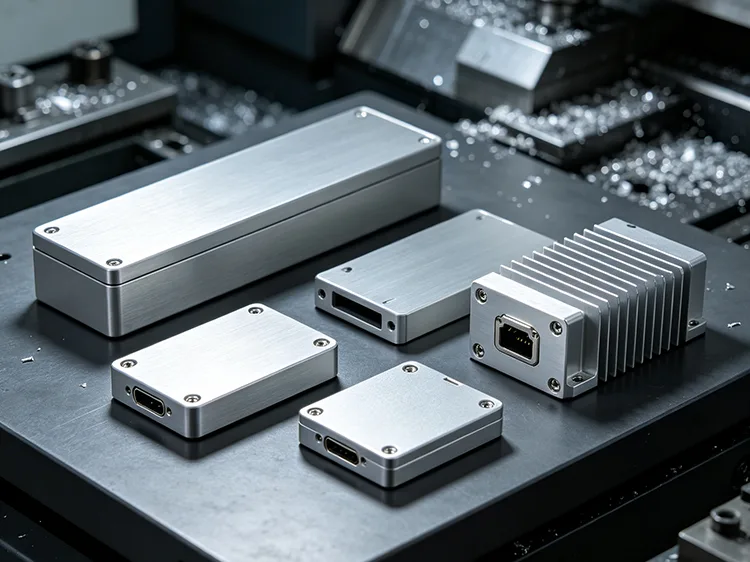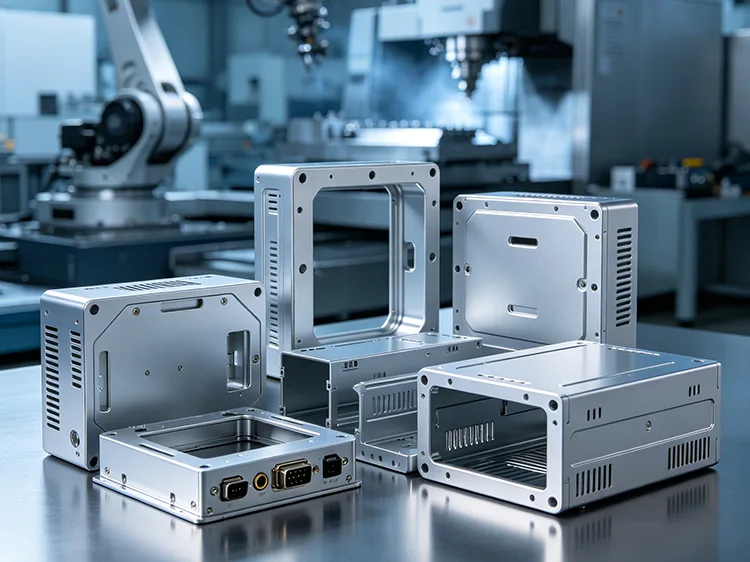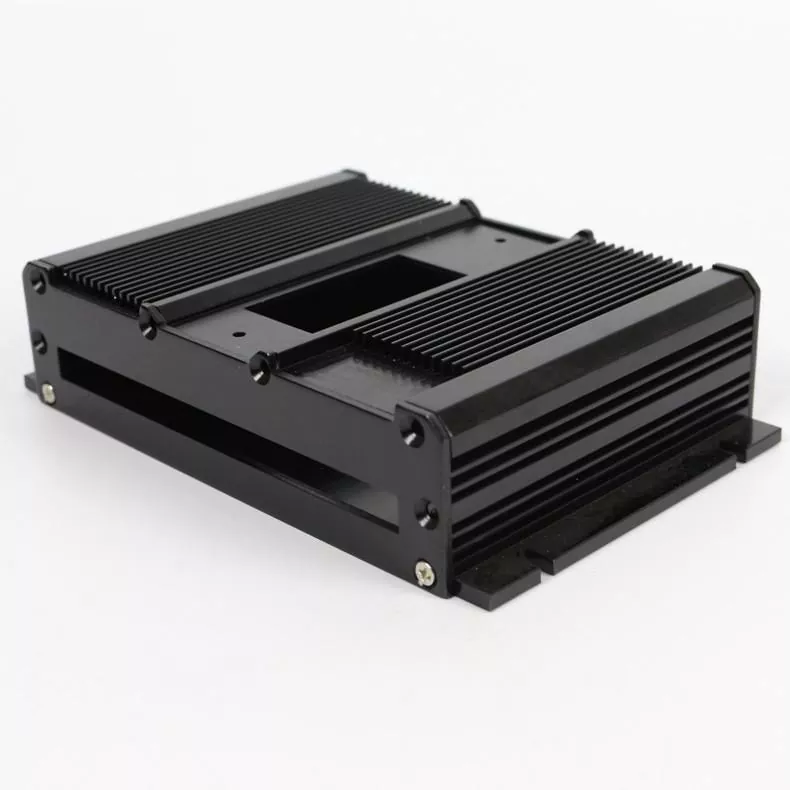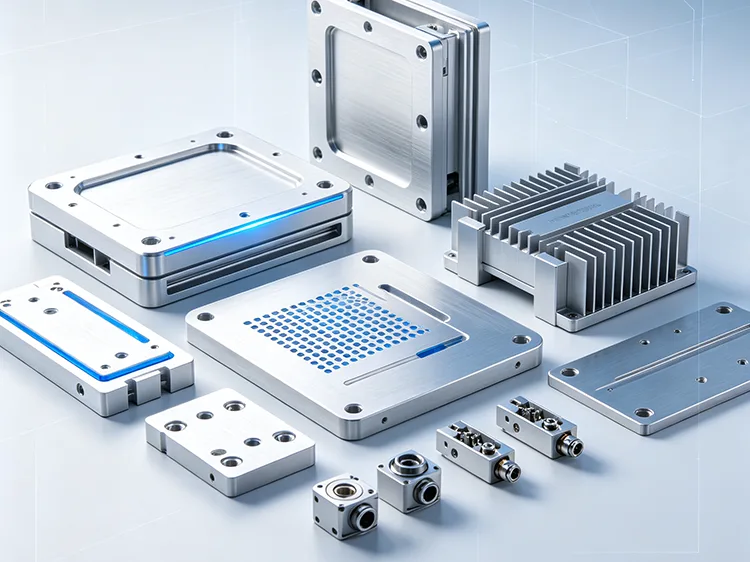
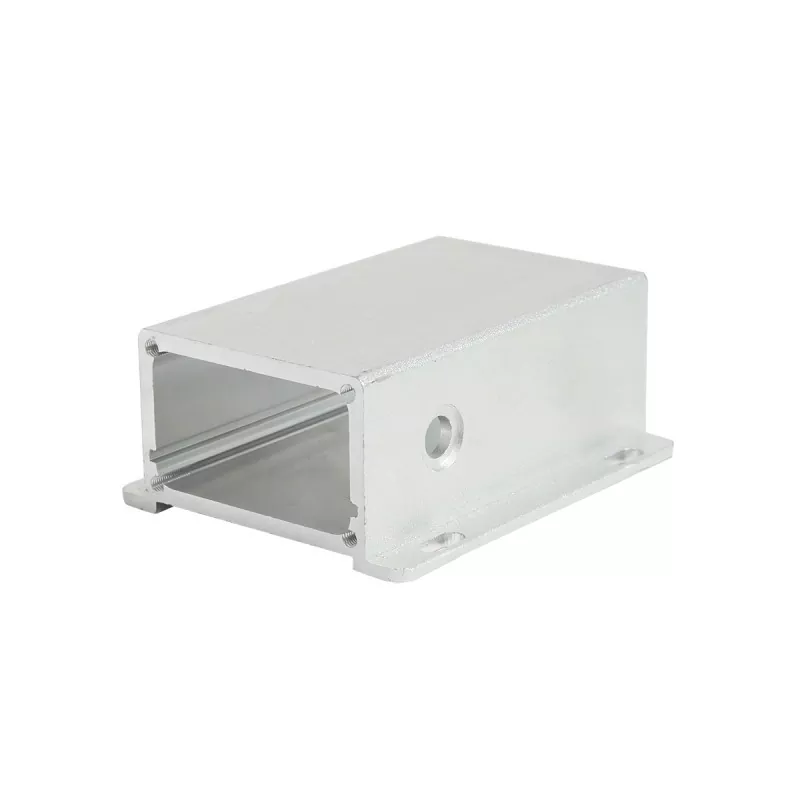
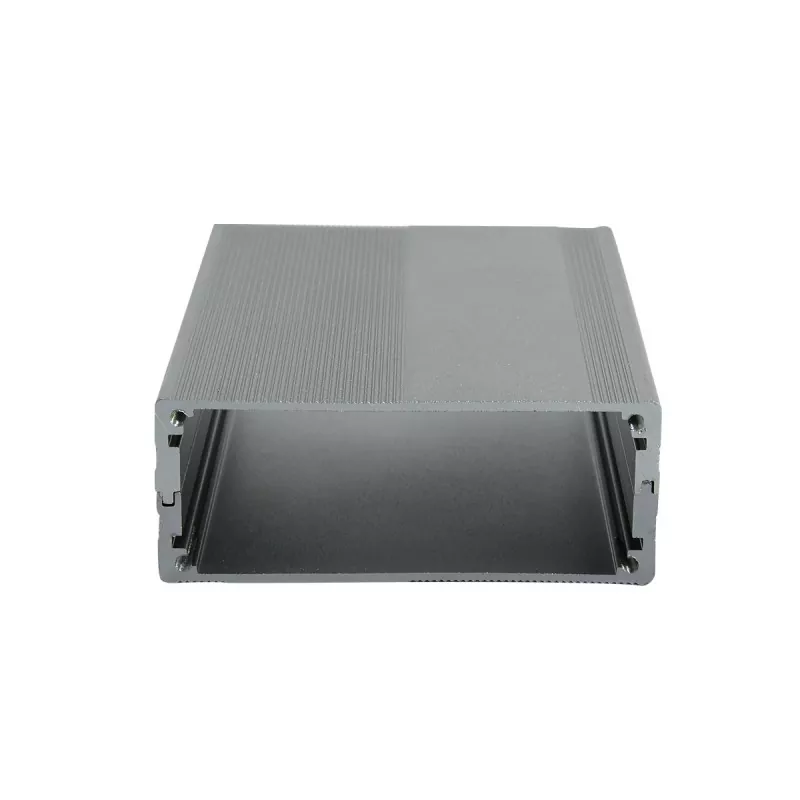
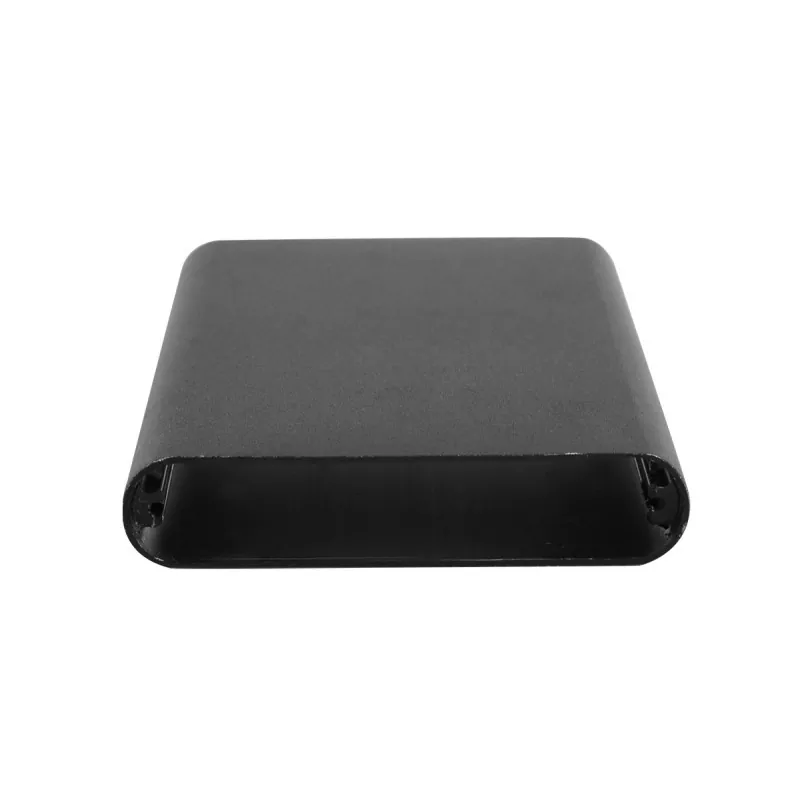
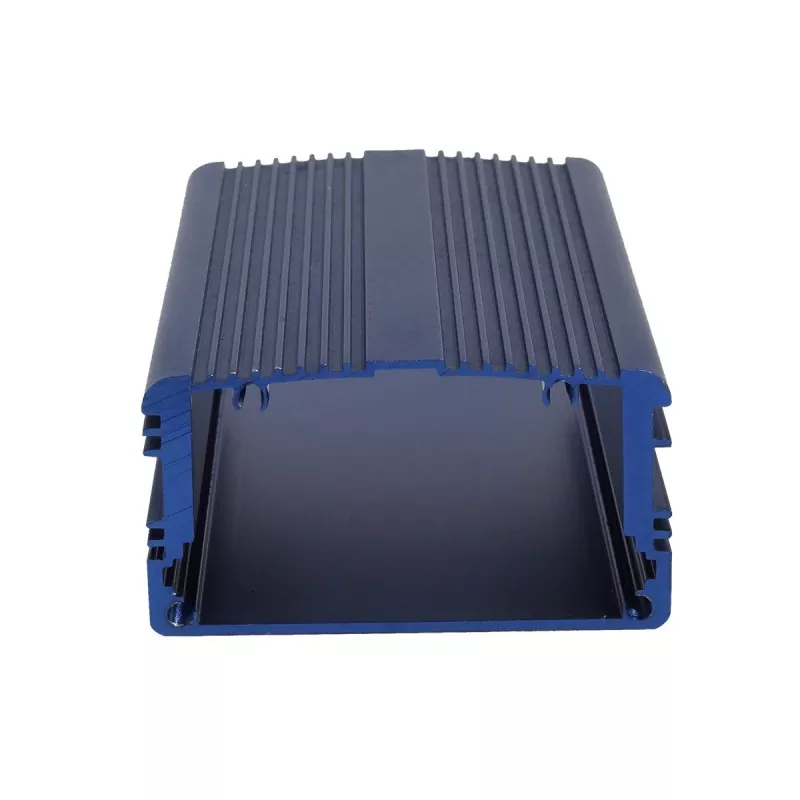
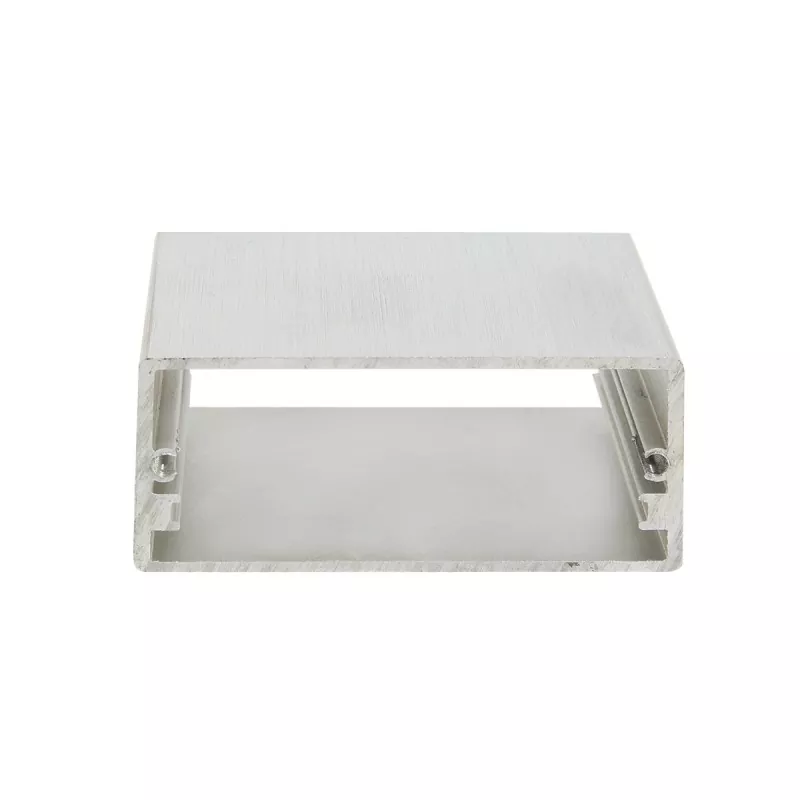
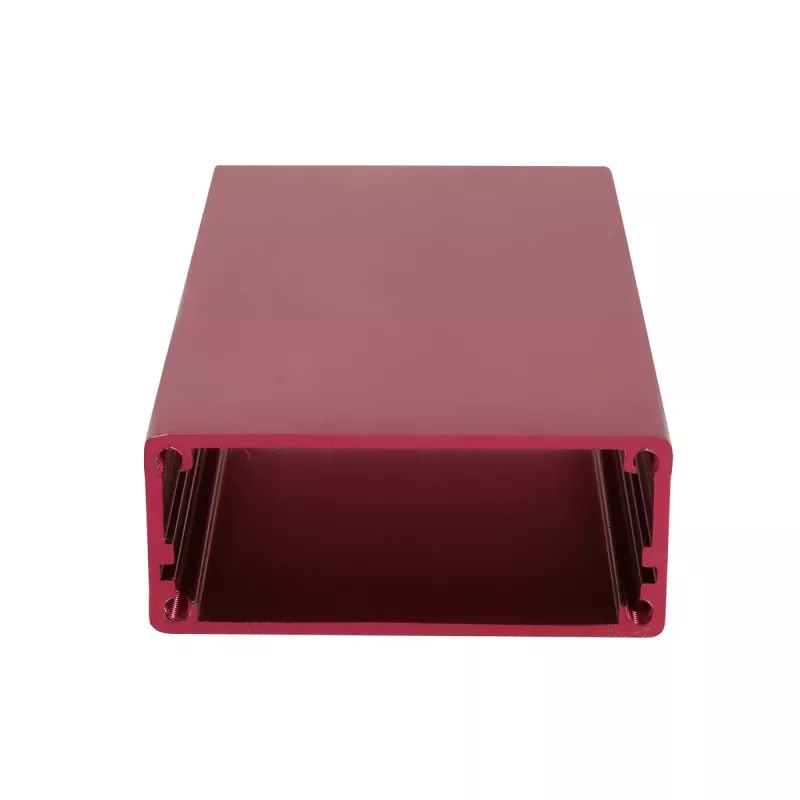
63×32.5mm Aluminum Electronic Equipment Enclosure
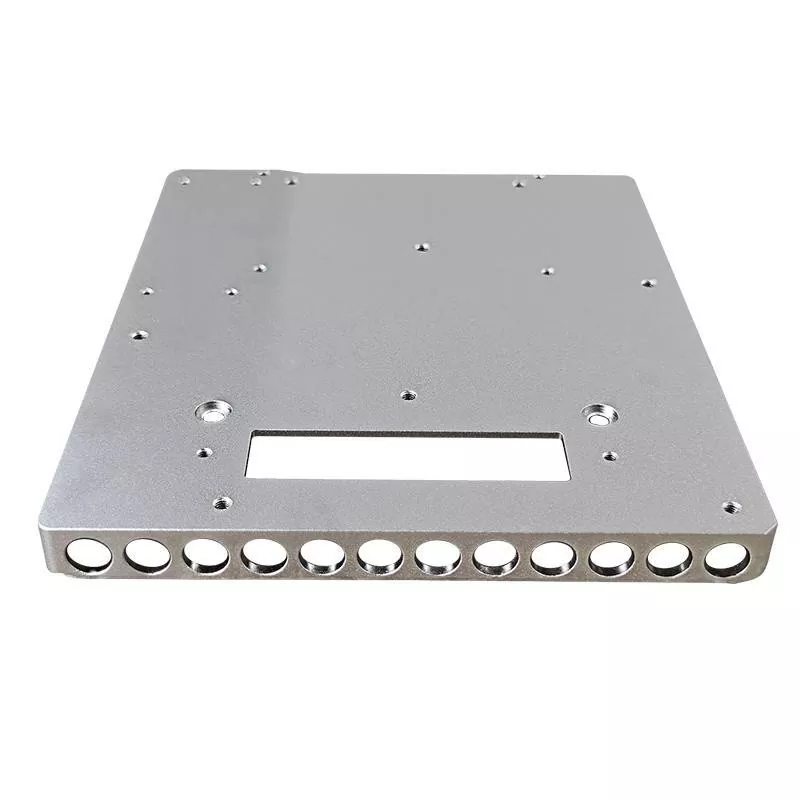
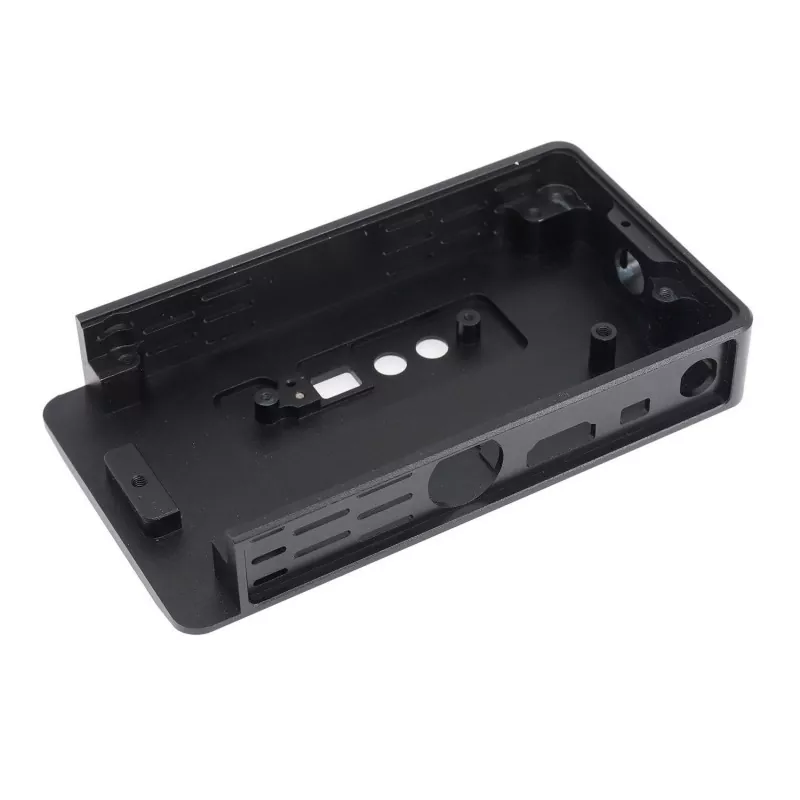
Are you still looking for a 63×32.5mm Aluminum Electronic Equipment Enclosure? Choose Boyuan. We are a professional custom manufacturing company. Support customization of length, CNC drilling, end plates, labels, colors, etc. The profiles can be cut, processed by three-axis CNC, drilled, tapped, interface drilled, end face processed, label treated, surface treated and assembled according to the product drawings. At the same time, we also undertake standard and non-standard aluminum shell projects.
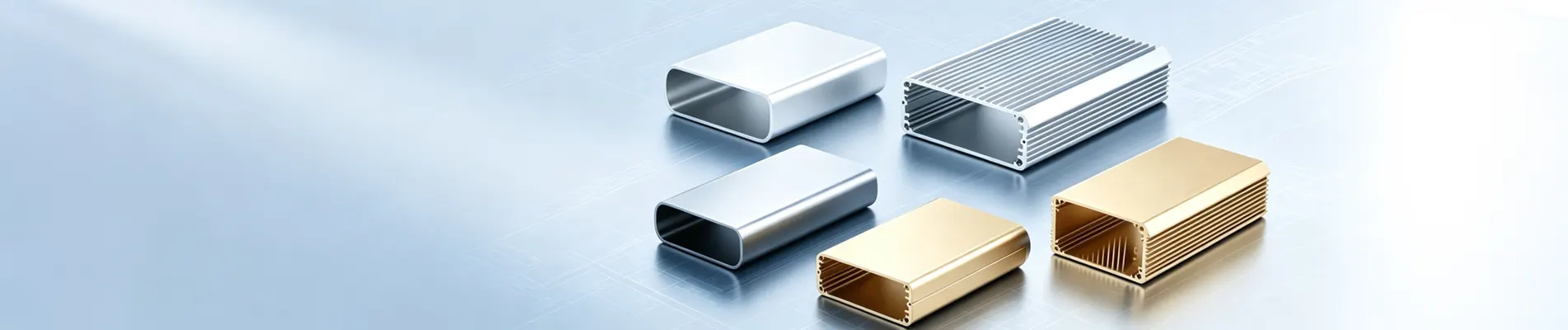
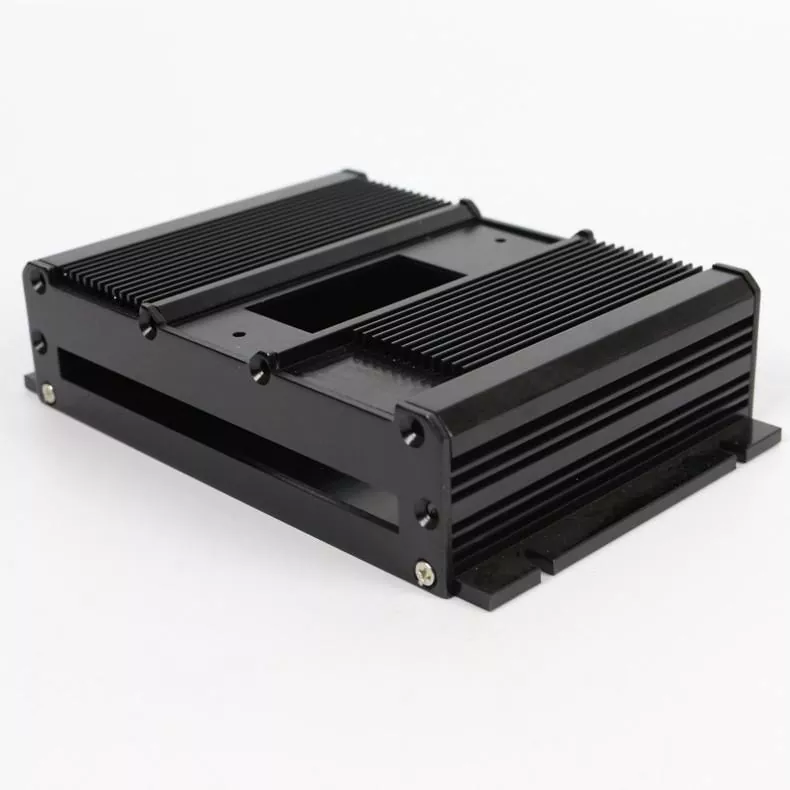
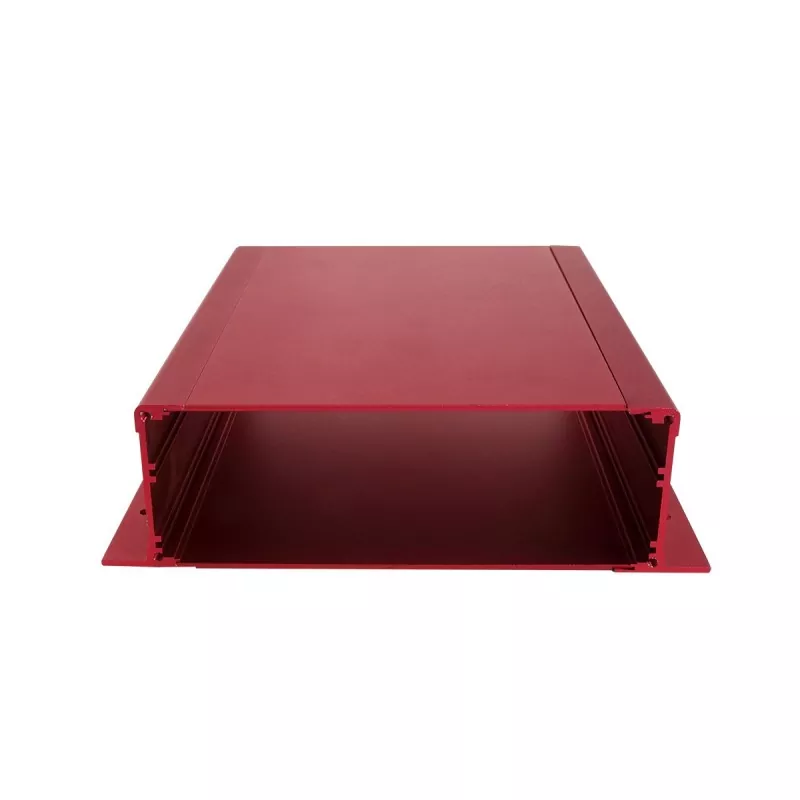
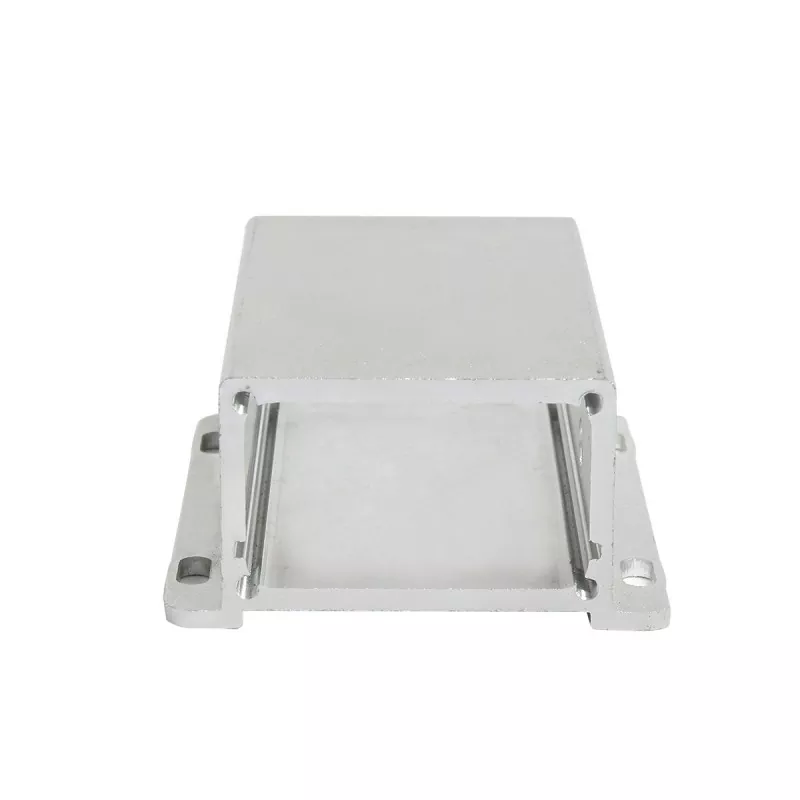
63×32.5mm Aluminum Electronic Equipment Enclosure is a medium-sized, compact extruded aluminum electronic device housing, suitable for electronic products that need a certain amount of internal mounting space while keeping the overall device volume under control.
The 63mm width provides more ample lateral layout space for PCBs and electronic components than ultra-narrow aluminum enclosures; the 32.5mm height can accommodate conventional PCBs, connectors, and electronic components of a certain height, while maintaining a relatively compact device profile.
Therefore, this size is more suitable for: electronic equipment with medium PCB dimensions, a moderate number of interfaces, and components that are not low in height, but that does not require the space of a large chassis.
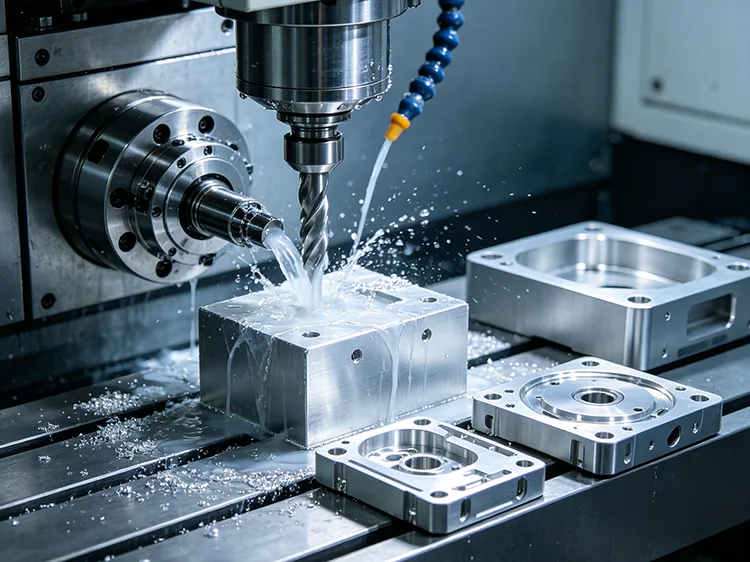
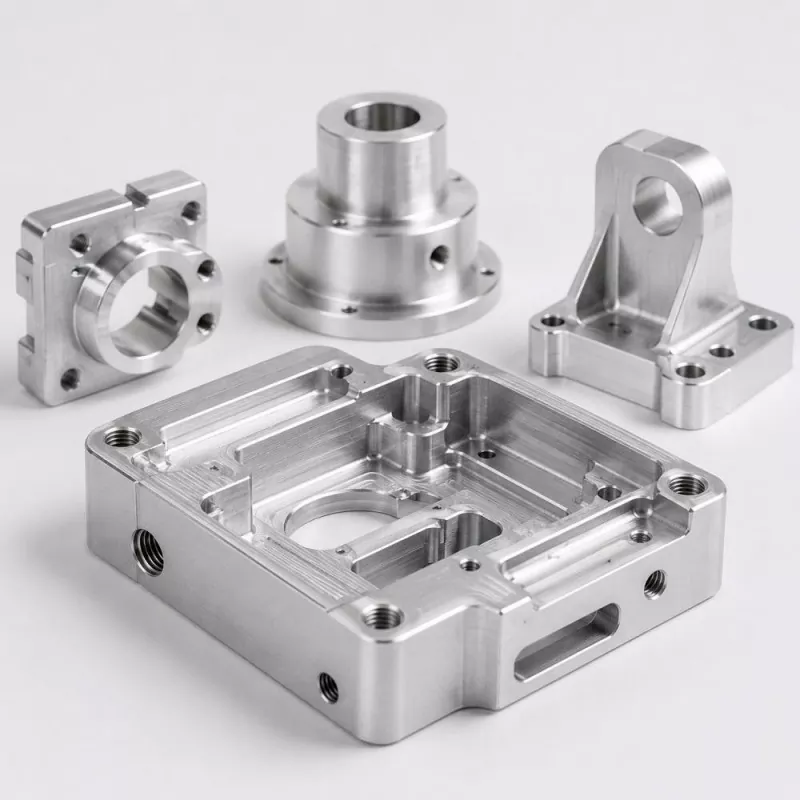
Boyuan Hardware can perform profile cutting, three-axis CNC machining, drilling, tapping, interface openings, end face machining, logo processing, surface treatment, and assembly on aluminum profiles according to product drawings.
Why Is 63×32.5mm Suitable for This Type of Electronic Product?
63mm Width Provides More Flexible PCB Layout
Compared with narrow aluminum enclosures around 40-50mm, the 63mm width provides a larger lateral mounting area for PCBs.
For some products with wider PCBs, or where connectors, terminals, and electronic components need to be arranged simultaneously on the PCB, the larger width can reduce the problem of overly crowded component layout.
It is especially suitable for products that have exceeded the space requirements of a small electronic box but have not yet reached the size requirements of a large industrial chassis.
32.5mm Height Suitable for Conventional Electronic Components
The 32.5mm height is in a relatively practical range.
It has more internal height than ultra-low-profile enclosures such as 13mm, 18mm, 19mm, and 20mm, accommodating conventional PCBs and connectors, while not significantly increasing device thickness like high-profile products such as 40mm, 48mm, and 80mm.
Therefore, this size is more suitable for: electronic equipment that "requires a certain component height but still emphasizes a compact structure."
63×32.5mm Forms a More Balanced Device Cross-Section
Unlike obviously flat low-profile enclosures, the width-to-height ratio of 63×32.5mm is more balanced.
It can provide both lateral PCB space and a certain vertical mounting space, so it has good adaptability for electronic modules with relatively regular internal structures.
Technical Specifications
|
Item |
Specification |
|
Product type |
Aluminum extrusion electronic device enclosure |
|
Cross-section size |
63×32.5mm |
|
Material |
Aluminum alloy |
|
Enclosure structure |
Aluminum profile body + end plates/fasteners, etc. |
|
Enclosure length |
Can be machined according to device dimensions |
|
CNC machining |
Three-axis CNC |
|
Profile cutting |
Supported |
|
Drilling |
Supported |
|
Tapping |
Supported |
|
Interface openings |
Machined according to engineering drawings |
|
Mounting holes |
Machined according to product structure |
|
End face machining |
Machined according to drawings |
|
PCB mounting structure |
Confirmed according to actual product structure |
|
Logo machining |
Laser engraving, silkscreen printing, etc. |
|
Surface treatment |
Corresponding treatment according to product requirements |
|
Assembly |
Performed according to project requirements |
|
Machining tolerances |
Confirmed according to specific engineering drawings |
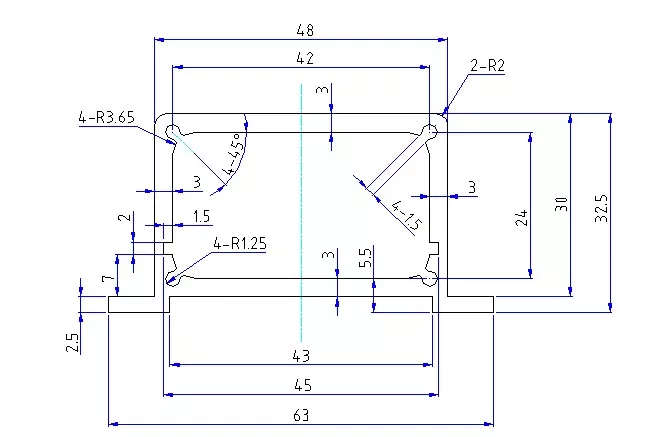
Note: Aluminum alloy grades, profile wall thickness, internal cross-section structure, available internal space, length ranges, and specific tolerances need to be confirmed according to actual profiles and engineering drawings.
What Products Is the 63×32.5mm Aluminum Enclosure Suitable For?
1 Industrial Electronic Control Modules
63×32.5mm is more suitable for industrial electronic modules with controlled volume but that still need to install complete control circuits internally.
Such products usually need to consider PCBs, power interfaces, control interfaces, and indicator components simultaneously.
The 63mm width can provide good lateral layout space, while the 32.5mm height can keep the device relatively compact.
Therefore, it is suitable for independently operating industrial electronic control modules, rather than large control cabinets requiring many boards and complex internal structures.
2 Data Acquisition and Signal Conversion Modules
Data acquisition and signal conversion products usually need to place PCBs, connectors, and input/output interfaces simultaneously in limited space.
The 63mm width can leave a certain lateral space for circuit boards and interfaces, and the 32.5mm height can accommodate conventional connectors and electronic components.
Therefore, this size is more suitable for:
- Data acquisition modules
- Signal conversion modules
- Interface conversion devices
- Small signal processing equipment
63×32.5mm Aluminum Electronic Equipment Enclosure is especially suitable for products with relatively complete functions but where the overall device size still needs to remain compact.
3 Communication Interface Modules
Small interface modules in communication equipment usually need to arrange communication circuits, connectors, indicator lights, and power interfaces simultaneously.
The 63mm width can provide a more ample interface layout area than narrow enclosures, and the 32.5mm height can accommodate conventional communication PCBs and related components.
Therefore, this size is suitable for single-function or multi-interface small communication electronic modules, rather than large communication chassis.
4 Small Industrial Measurement and Testing Equipment
Some measurement and testing equipment need to install PCBs, connection interfaces, buttons, or indicator lights, but the overall volume does not need to be very large.
63×32.5mm can achieve a balance between internal space and external dimensions.
The larger width can be used to arrange interfaces or operating areas, and the 32.5mm height can provide basic electronic component mounting space.
Therefore, it is suitable for some compact measurement, testing, and electronic instrument modules.
5 Embedded Electronic Modules
For electronic modules that need to be integrated inside other equipment, the enclosure usually needs to balance internal mounting space and overall occupied volume.
Compared with larger aluminum enclosures, 63×32.5mm makes it easier to control device volume, while having more internal space than ultra-thin enclosures.
Therefore, it can be used for:
- Embedded control modules
- Industrial interface modules
- Electronic conversion modules
- Device internal function modules
Whether it is ultimately suitable needs to be confirmed in combination with the installation position and actual PCB dimensions.
What Kind of PCB Is 63×32.5mm Suitable For?
This size is more suitable for medium-sized PCBs with certain lateral space requirements.
When selecting, it is recommended to consider simultaneously:
PCB length and width → PCB fixing hole positions → maximum component height → interface positions → cable routing → available internal space of the enclosure.
If the PCB is very narrow, a smaller aluminum profile can be considered.
If the PCB width is large but the component height is not high, 63×32.5mm can provide relatively suitable lateral space.
If significantly taller power modules or other components need to be installed internally, the actual available internal space corresponding to the 32.5mm height needs to be further confirmed.
How to Choose Between 63×32.5mm and Similar Sizes?
|
Size |
Main Structural Features |
More Suitable Direction |
|
45×19mm |
Both width and height are smaller |
Slim PCBs, small electronic modules |
|
50×20mm |
Slightly larger width, still low-profile |
Lateral PCBs, slim electronic devices |
|
48×33mm |
Similar height, overall more compact |
Compact electronic modules |
|
63×32.5mm |
Increased width, moderate height |
Medium PCBs, electronic modules with more interfaces |
|
50×40mm |
Greater height |
Equipment with higher component height requirements |
|
204×48mm |
Significantly larger width |
Wide PCBs, multi-interface lateral equipment |
|
230×80mm |
Large cross-section |
Multi-board, multi-module, and complex equipment |
The positioning of 63×32.5mm can be summarized as: more lateral space than small aluminum enclosures, but not requiring the size of a large aluminum chassis.
What Custom Machining Can Be Provided for the 63×32.5mm Aluminum Enclosure?
Boyuan Hardware can perform post-machining on aluminum profiles according to customer engineering drawings.
|
Customization Item |
Machining Content |
|
Enclosure length |
Cut according to device dimensions |
|
End face machining |
Machined according to assembly structure |
|
Interface openings |
Machined according to connector model |
|
Mounting holes |
Fixing holes, screw holes, etc. |
|
Tapping |
Threads machined according to fastener specifications |
|
PCB mounting |
Machined according to PCB hole positions and structure |
|
Button holes |
Machined according to button and switch specifications |
|
Indicator light holes |
Machined according to product structure |
|
Display area |
Machined according to product design |
|
Connector mounting |
Machined according to interface model |
|
Logo |
Laser engraving, silkscreen printing |
|
End plates |
Machined according to product structure |
|
Surface treatment |
Corresponding treatment according to product requirements |
|
Assembly |
Performed according to project requirements |
|
Packaging |
Determined according to product dimensions and transportation requirements |
Non-Standard Machining Based on Product Drawings
For the 63×32.5mm aluminum enclosure, actual projects usually require further post-machining rather than directly using the unprocessed profile.
Typical machining process includes:
Profile cutting → End face machining → Interface openings → Mounting holes/tapping → End plate machining → Logo → Surface treatment → Inspection → Assembly
If the customer already has 2D engineering drawings or 3D models, the machining positions can be confirmed according to the drawings.
If only the PCB and product dimensions are available, it is also possible to first use:
- PCB dimensions
- Component height
- Interface layout
- Enclosure length
to judge whether 63×32.5mm is suitable for the product structure.
Machining Capabilities
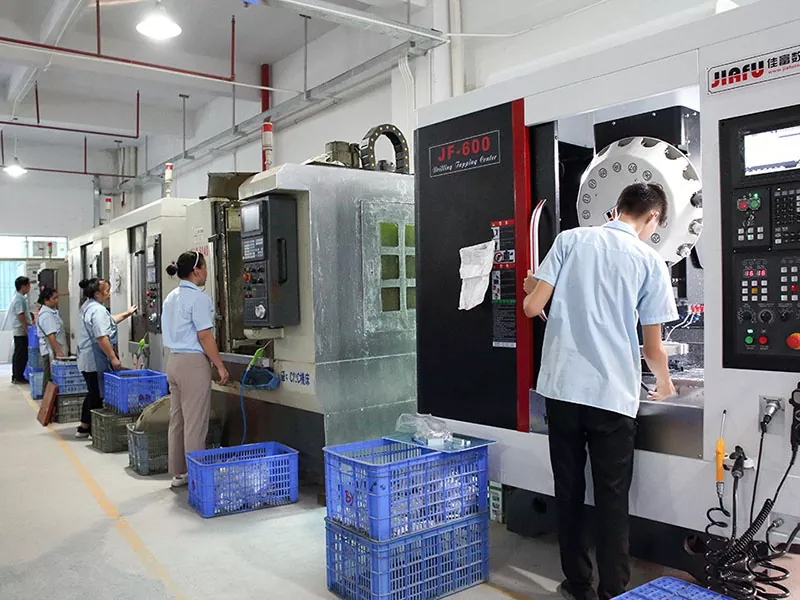
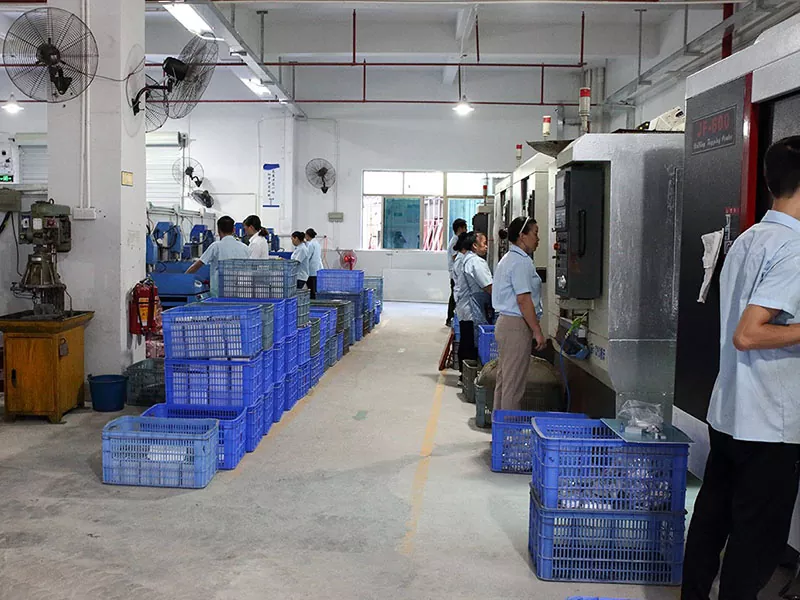
Boyuan Hardware has over 20 years of experience in the aluminum enclosure and aluminum chassis industry, with a factory area of approximately 10,000 square meters and approximately 300 existing molds.
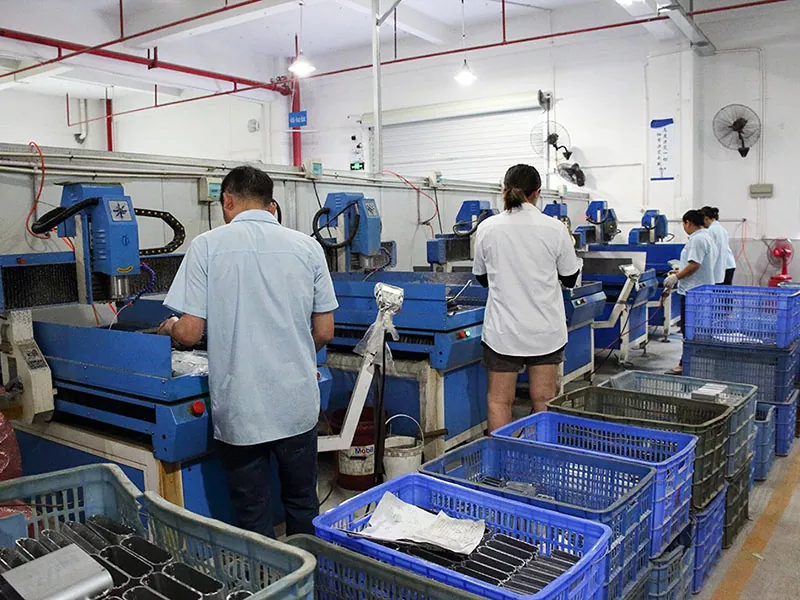
Main machining steps include:
- Aluminum profile cutting
- Three-axis CNC machining
- Drilling
- Tapping
- End face machining
- Interface openings
- Surface treatment
- Laser engraving
- Silkscreen printing
- Product inspection
- Product assembly
Post-machining of aluminum enclosures can be performed according to customer 2D engineering drawings, 3D models, PCB data, or product samples.
Custom Machining Process
Step 1 | Provide Product Information
Customers provide 2D drawings, 3D models, PCB dimensions, or product samples.
Step 2 | Confirm Profile
Confirm whether the 63×32.5mm cross-section meets requirements according to PCB dimensions, component height, and mounting structure.
Step 3 | Determine Length
Determine the profile cutting length according to the overall device dimensions.
Step 4 | Confirm Post-Machining
Determine machining requirements such as interfaces, mounting holes, threaded holes, end plates, and logo.
Step 5 | Sample Machining
Produce samples according to project requirements and confirm dimensions and assembly relationships.
Step 6 | Mass Production
Perform mass machining after sample confirmation.
Step 7 | Inspection and Assembly
Perform dimensional, appearance, and assembly checks according to product requirements.
Step 8 | Packaging and Shipping
Package according to product dimensions, quantity, and transportation method.
Key Points for Sample Confirmation
It is recommended to confirm the following before mass production:
- Enclosure cross-section size
- Enclosure length
- PCB mounting position
- Space between PCB and enclosure
- Component height
- Interface positions
- Opening dimensions
- Mounting hole positions
- Thread specifications
- End plate fit
- Logo position
- Surface treatment effect
- Overall assembly effect
Quality and Related Documentation
Boyuan Hardware can provide related product and material documentation according to project requirements.
Currently available:
- SGS related documentation
- SVHC related documentation
- Product inspection documentation
- Product dimension and machining confirmation documentation
If the project has specific material or supplier audit requirements, they can be confirmed in advance at the inquiry stage.
Packaging and Shipping
Corresponding packaging solutions can be developed according to the length, surface condition, and order quantity of the 63×32.5mm aluminum enclosure.
Available options:
- Individual protection
- Anti-scratch protection
- Layered packaging
- Internal separation
- Outer carton packaging
- Bulk full-carton packaging
The specific packaging method is determined according to product dimensions, quantity, and transportation requirements.
Why Choose Boyuan Hardware?
20+ Years of Aluminum Enclosure Industry Experience
Long-term engagement in the machining of aluminum enclosures, aluminum chassis, and aluminum structural parts.
Approx. 10,000㎡ Factory
Equipped with production conditions for aluminum profile cutting, CNC machining, surface treatment, printing, inspection, and assembly.
Approx. 300 Existing Molds
Existing aluminum profile solutions can be matched according to product dimensions and structure.
Three-Axis CNC Machining
Supports interface openings, drilling, tapping, end face machining, and other non-standard structural machining.
Multi-Process Coordination
Cutting, CNC, drilling, tapping, surface treatment, laser engraving, silkscreen printing, inspection, and assembly can be coordinated according to the project.
FAQ
What products is the 63×32.5mm aluminum enclosure suitable for?
Suitable for electronic products with medium-sized PCBs, more interfaces, and the need to keep the device compact, such as industrial electronic control modules, data acquisition modules, signal conversion equipment, communication interface modules, and some measurement and testing equipment.
What is the biggest feature of 63×32.5mm?
It balances lateral width and enclosure height. 63mm can provide good PCB and interface layout space, and 32.5mm can keep the device relatively compact.
Is 63×32.5mm suitable for PCBs?
It can be used for PCBs of corresponding sizes, but actual suitability needs to be confirmed according to PCB length and width, mounting hole positions, component height, and profile internal structure.
How tall can components be with a 32.5mm height?
32.5mm is the external cross-section height. The actual available internal height needs to deduct the profile wall thickness and internal structure, and is calculated in combination with the PCB mounting position.
Can connector openings be machined?
Yes. Corresponding interface holes can be machined according to connector models and engineering drawings.
Can threaded holes be machined?
Yes, drilling and tapping and other CNC post-machining can be performed.
Can the enclosure length be customized?
Yes, profile cutting can be performed according to the actual length of the device.
Can PCB mounting holes be machined?
Yes, corresponding machining can be performed according to PCB mounting hole positions and enclosure structure.
Can samples be provided?
Customization projects can have samples confirmed according to actual requirements.
16. What Information Is Recommended to Provide When Inquiring?
To confirm whether 63×32.5mm Aluminum Electronic Equipment Enclosure is suitable for your product, it is recommended to provide:
- PCB length and width
- PCB mounting hole positions
- Maximum component height
- Required enclosure length for the product
- Number of interfaces
- Interface type
- Interface positions
- End plate structure
- Surface treatment requirements
- Estimated purchase quantity
If there is no complete engineering drawing yet, you can first provide:
PCB dimensions + maximum component height + product length + interface layout
for preliminary evaluation.
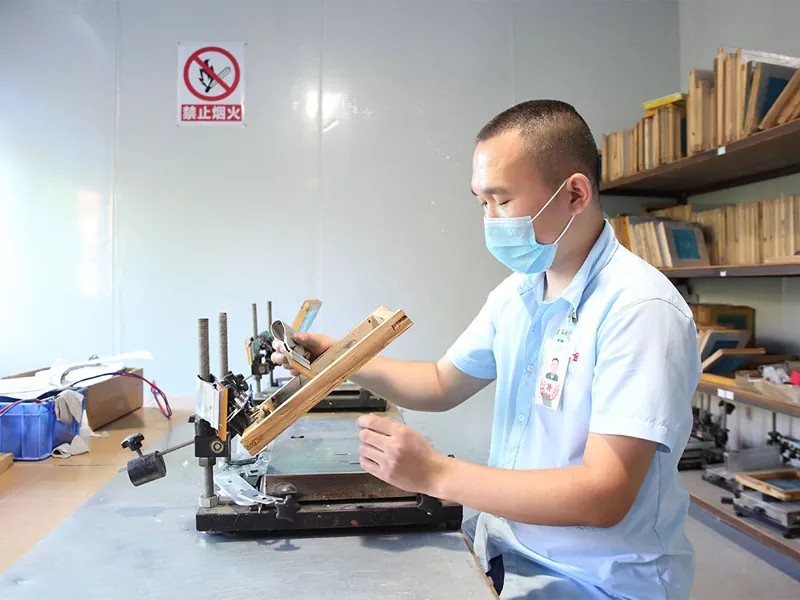
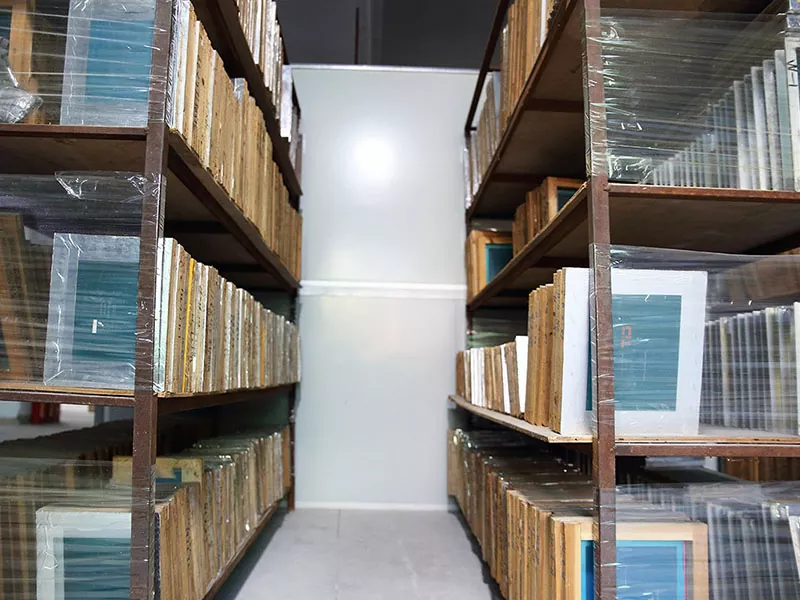
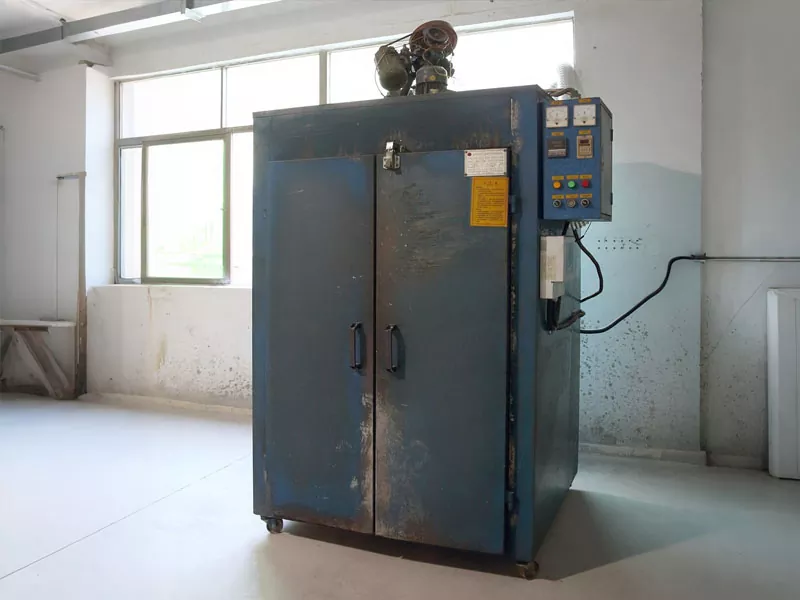
Workshop Show
Related Category
Send Inquiry
Contact Info
-
Address
Huangdong Industrial Zone, Zhenglong Town, Huizhou District, Huizhou City, Guangdong Province, China
-
Tel
-
Email
Send your inquiry to Boyuan. Our engineering sales team will review your request and send a formal quotation within 24 working hours.
Related Products
News Recommendations