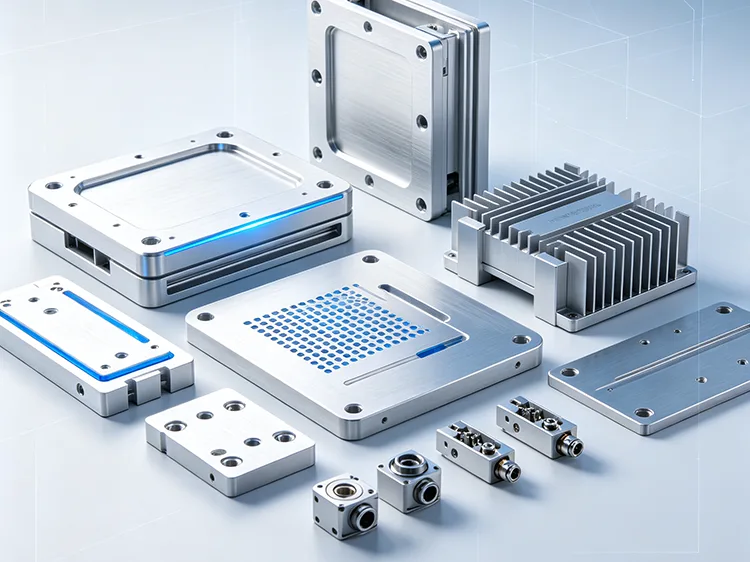

How Can a CNC Machined Aluminum Housing with Grooves and Cutouts Improve Precision, Fit, and Product Performance
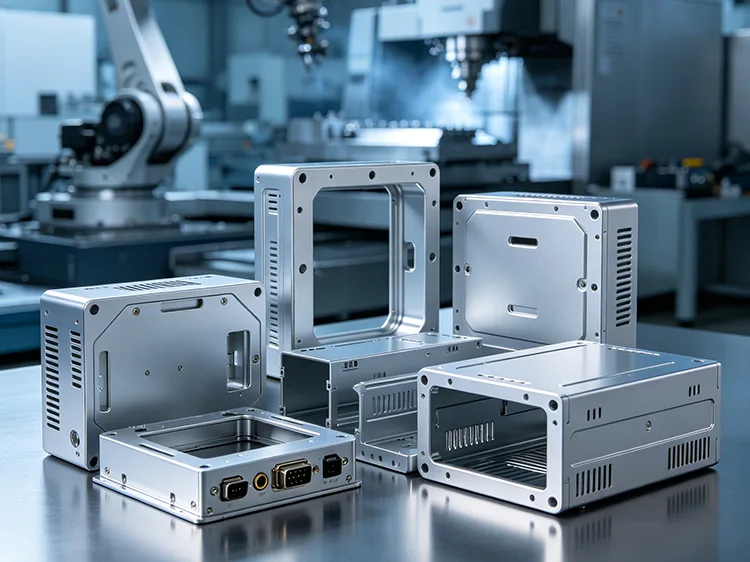
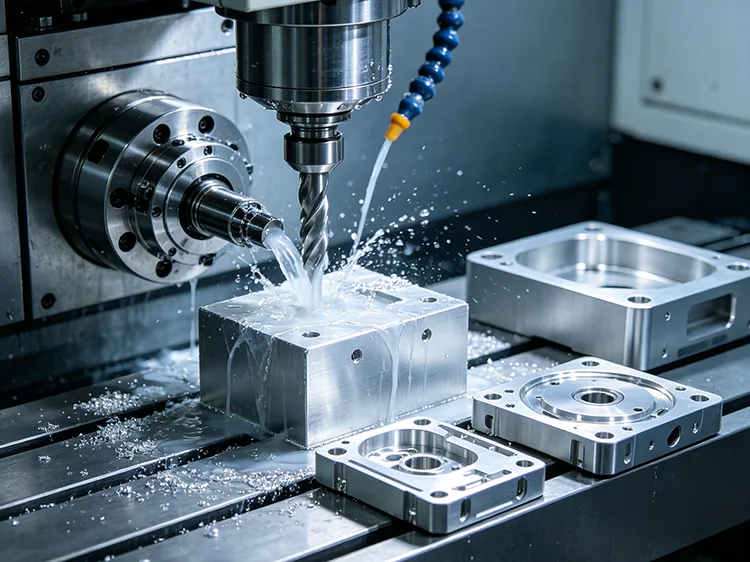
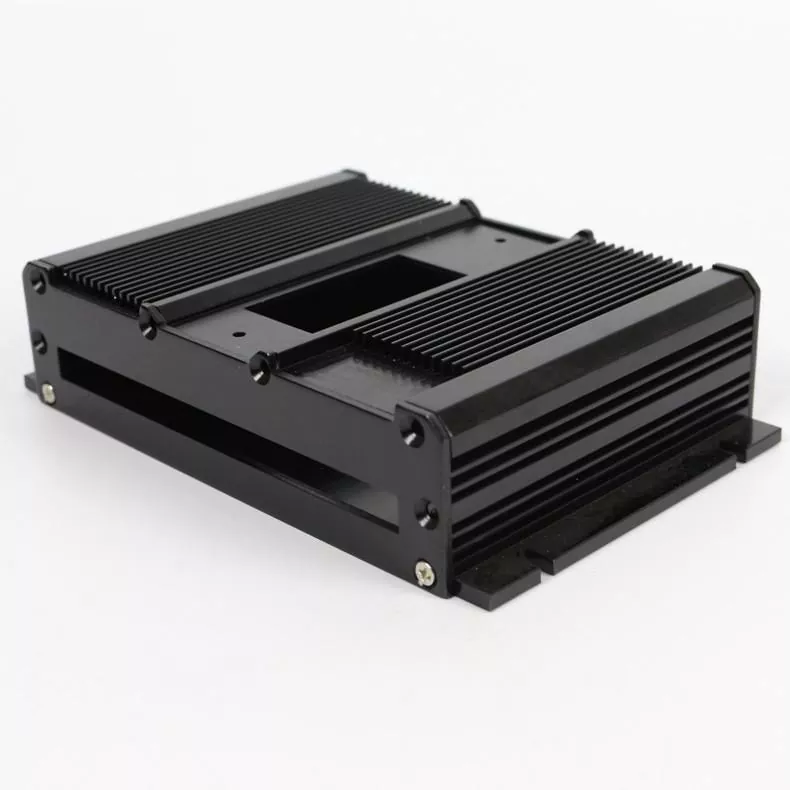
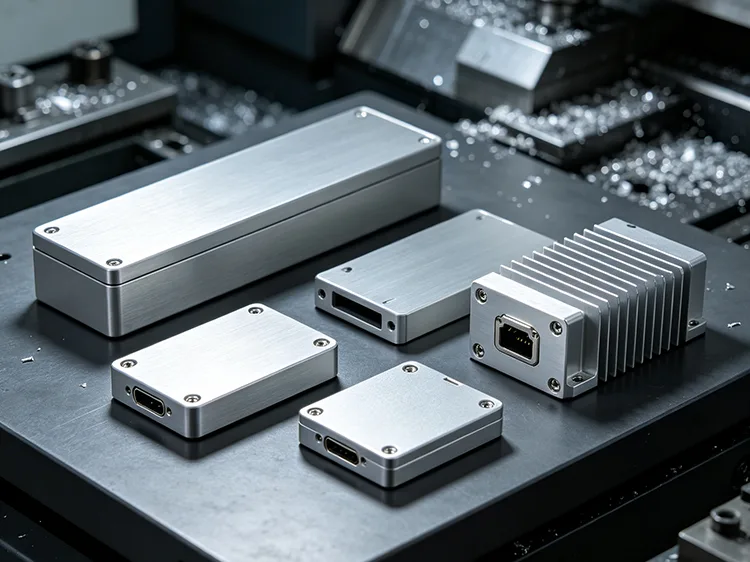
When equipment requires accurate component positioning, customized mounting features, and a reliable structural design, a CNC Machined Aluminum Housing with Grooves and Cutouts offers a practical manufacturing solution. Boyuan Hardware manufactures customized aluminum housings according to customer drawings and structural requirements, using 3-axis CNC milling to produce accessible grooves, recessed areas, stepped surfaces, holes, and cutouts for electronic equipment and industrial assemblies.
A CNC-machined aluminum housing is more than a protective shell. Its grooves, slots, recesses, and precisely positioned openings can help accommodate internal components, support assembly, and improve integration with surrounding structures. This article explains the main machining features, material considerations, design requirements, manufacturing process, and quality checks buyers should evaluate before ordering a custom aluminum housing. It also outlines how drawing review helps manufacturers assess feasibility, cost, and production efficiency.
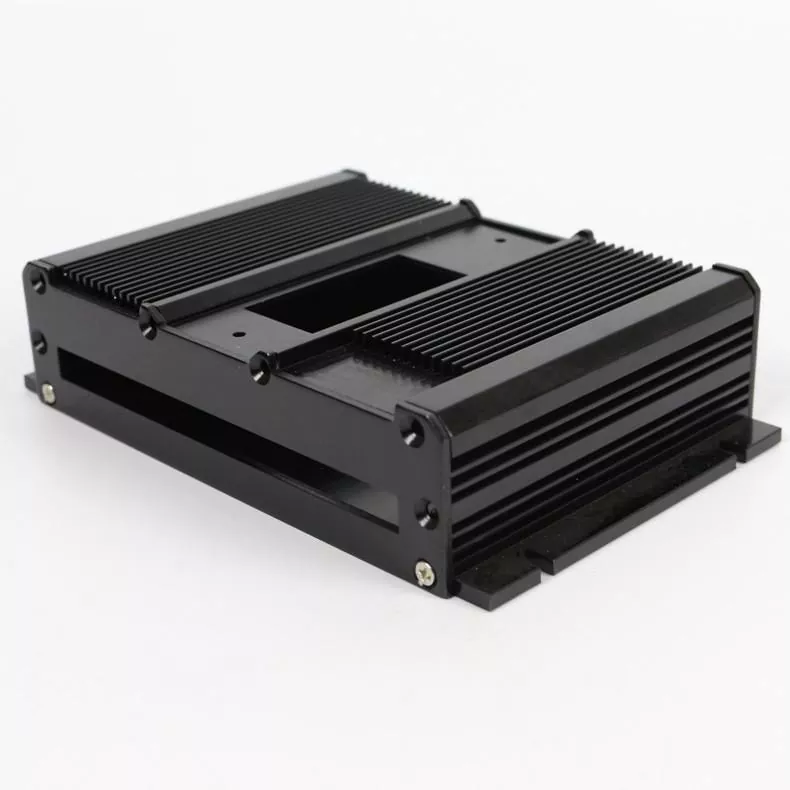
Table of Contents
- What Is a CNC Machined Aluminum Housing with Grooves and Cutouts?
- Which Machining Features Matter Most?
- What Are the Main Benefits?
- How Should You Select the Aluminum Material?
- How Is a Custom Aluminum Housing Manufactured?
- Which Design Details Should Buyers Specify?
- Where Are These Housings Commonly Used?
- How Does CNC Machining Compare with Other Methods?
- How Can You Evaluate Manufacturing Quality?
- Frequently Asked Questions
- How Can You Start Your Custom Housing Project?
1. What Is a CNC Machined Aluminum Housing with Grooves and Cutouts?
A CNC Machined Aluminum Housing with Grooves and Cutouts is a custom aluminum component manufactured through computer-controlled machining. Based on a CAD model or engineering drawing, cutting tools remove material from an aluminum workpiece to create the required external profile, internal recesses, slots, mounting holes, and other functional features.
Unlike a simple rectangular enclosure, this housing can incorporate several geometries in one component. A groove may locate a mating part, a recessed area may provide clearance for an internal assembly, and a cutout may accommodate a connector, cable, fastener, or other interface.
Boyuan Hardware's product is designed around customer drawings and specified structural requirements. Its 3-axis CNC milling process supports a range of features when their geometry, workpiece orientation, and tool accessibility are suitable for the selected setup.
For buyers, the essential consideration is whether each machined feature serves a defined mechanical or assembly purpose. Good geometry improves integration without adding unnecessary manufacturing complexity.
2. Which Machining Features Matter Most?
The effectiveness of a custom aluminum housing depends on how well its individual features support the complete product design. Each feature should be defined by its dimensions, position, and relationship with adjacent components.
Grooves and Slots
Grooves and slots can help locate components, guide mating parts, provide clearance, or accommodate design-specific interfaces. Their width, depth, length, and position should be specified clearly to ensure the intended fit.
Recessed Areas and Pockets
Recesses create space within a housing for internal components or structural features. Their dimensions must account for component envelopes, wall thickness, tool access, and the remaining material needed to maintain rigidity.
Stepped Surfaces
Different surface heights can establish mounting levels, alignment references, or clearance between adjacent parts. These surfaces should be dimensioned from suitable reference datums so that their relationships remain consistent during assembly.
Customized Holes and Cutouts
Holes and cutouts may accommodate fasteners, connectors, cables, and other interfaces. Their size, location, and shape should match the relevant mating components. Threaded holes also require clearly defined thread specifications and engagement depths.
- Specify groove width, depth, and position.
- Identify critical mounting surfaces and reference datums.
- Define hole diameters, spacing, and thread details.
- Confirm that internal recesses leave adequate structural material.
- Identify cosmetic surfaces and functional interfaces separately.
3. What Are the Main Benefits?
Custom CNC machining enables designers to integrate multiple functional details into a housing rather than relying on a basic profile that requires extensive secondary modification.
More Precise Component Integration
When critical dimensions are established in the engineering drawing, machined features can be positioned to suit the intended assembly. This helps reduce avoidable fitting problems and supports repeatable installation.
Greater Design Flexibility
Grooves, pockets, stepped surfaces, and customized cutouts can be adapted to a specific product configuration. This flexibility is useful for specialized equipment, prototypes, and projects with changing mechanical requirements.
Lightweight Structural Design
Aluminum provides a useful combination of relatively low density, machinability, and structural performance. Properly designed recesses may remove unnecessary material while preserving the strength required for the intended application.
Functional and Visual Consistency
Controlled machining can produce defined edges, uniform feature layouts, and consistent surface geometry. Appropriate finishing can further support the appearance and environmental requirements of the final product.
These advantages depend on the alloy, part geometry, tolerances, machining setup, and inspection method. Performance should therefore be evaluated against the actual application rather than assumed from the manufacturing process alone.
4. How Should You Select the Aluminum Material?
Material selection affects machinability, mechanical properties, corrosion behavior, surface finishing, and overall cost. The appropriate grade depends on the housing's load conditions, operating environment, and functional requirements.
| Material consideration | What buyers should evaluate | Why it matters |
|---|---|---|
| Aluminum alloy grade | Strength, machinability, and availability | Helps meet mechanical and production requirements |
| Wall thickness | Load, stiffness, and pocket depth | Reduces the risk of deformation or insufficient rigidity |
| Surface finish | Appearance, corrosion exposure, and wear | Influences durability and the finished product's appearance |
| Dimensional stability | Feature geometry and machining sequence | Supports consistent assembly and dimensional control |
| Operating environment | Moisture, temperature, chemicals, and contact conditions | Helps determine material and finishing suitability |
Common engineering alloys such as 6061 are often considered for machined housings because of their balance of machinability and mechanical properties. However, the specific alloy and temper should be confirmed with the manufacturer rather than assumed for every project.
For additional background, buyers can review the Boyuan aluminum manufacturing website and its CNC-machined housing product details.
5. How Is a Custom Aluminum Housing Manufactured?
A reliable manufacturing workflow begins with design review and continues through machining, finishing, and dimensional verification. The exact sequence depends on the part geometry and agreed specifications.
- Drawing and model review: The manufacturer examines the CAD model, dimensions, tolerances, critical surfaces, and intended assembly.
- Material confirmation: The required aluminum alloy and material condition are agreed upon before production.
- Workpiece preparation: The stock is selected and secured in a fixture suitable for the planned machining operations.
- CNC milling: Accessible grooves, recesses, profiles, steps, and cutouts are machined according to the approved design.
- Additional operations: Drilling, tapping, deburring, or other specified operations are completed where required.
- Surface finishing: Any agreed treatment is applied after considering dimensional effects and functional surfaces.
- Inspection: Critical dimensions, feature locations, threads, and surface conditions are checked against the drawing.
For 3-axis machining, tool access and workpiece orientation are especially important. Some complex features may require repositioning the part or changing the setup. Reviewing these requirements before production helps identify possible design adjustments and avoid unnecessary machining steps.
6. Which Design Details Should Buyers Specify?
A complete drawing helps the manufacturer understand what must be produced and which dimensions matter most. Ambiguous requirements can lead to additional clarification, avoidable rework, or delays.
Before requesting a quotation, prepare the following information:
- 3D CAD model: Supply a suitable file, such as STEP, when available.
- Dimensioned engineering drawing: Include overall dimensions, feature locations, tolerances, and datum references.
- Groove and recess specifications: Define widths, depths, lengths, and their intended functions.
- Hole and thread details: Identify diameters, thread standards, depths, and positional requirements.
- Material requirements: State the preferred alloy or ask the manufacturer to recommend an appropriate option.
- Surface treatment: Specify the required finish, appearance, and any surfaces that must remain untreated.
- Order quantity: Provide prototype, sample, and anticipated production quantities where relevant.
- Inspection expectations: Identify critical-to-function dimensions and any required inspection documentation.
It is also important to avoid applying unnecessarily tight tolerances to every dimension. Concentrating tighter requirements on critical interfaces, mating faces, and locating features can help balance functional performance and manufacturing cost.
7. Where Are These Housings Commonly Used?
A CNC Machined Aluminum Housing with Grooves and Cutouts can support a variety of applications where custom geometry and component integration are important.
- Electronic equipment: Housings and structural components with defined openings, mounting points, or internal clearances.
- Industrial machinery: Custom components that connect, locate, or support mechanical assemblies.
- Mounting systems: Parts with slots, stepped surfaces, and positioning features.
- Instrumentation: Housings requiring specific component interfaces and carefully positioned openings.
- Specialized equipment: Low-volume or application-specific parts that do not fit standard enclosure dimensions.
The suitability of any housing depends on the complete design, including structural loads, thermal conditions, sealing requirements, and environmental exposure. Where electrical shielding, ingress protection, or heat dissipation is required, these functions must be designed and verified separately.
8. How Does CNC Machining Compare with Other Methods?
CNC machining is particularly useful when a component requires customized features, drawing-based dimensional control, or design flexibility. Other manufacturing processes may be more economical for different production conditions.
| Manufacturing method | Main advantage | Important consideration |
|---|---|---|
| CNC machining | Flexible geometry and precise feature control | Material removal and machining time affect cost |
| Die casting | Suitable for repeat production of complex shapes | Tooling investment and design constraints must be considered |
| Aluminum extrusion | Efficient production of consistent cross-sectional profiles | Complex local features may require secondary machining |
| Sheet metal fabrication | Useful for lightweight panels and folded enclosures | Less suitable for some thick, deeply recessed geometries |
The best process depends on annual volume, geometry, tolerances, tooling budget, and delivery requirements. For custom housings with multiple machined features, a drawing review can help determine whether CNC machining or a combination of processes is more appropriate.
9. How Can You Evaluate Manufacturing Quality?
Quality assessment should focus on whether the finished housing meets its documented requirements. A clean appearance is useful, but it does not replace dimensional verification or functional checks.
When evaluating a supplier, consider these checkpoints:
- Dimensional conformity: Verify critical groove depths, cutout sizes, hole positions, and overall dimensions.
- Assembly compatibility: Check the fit of mating parts, connectors, fasteners, and mounting interfaces where applicable.
- Surface condition: Inspect for burrs, scratches, tool marks, and other defects relevant to the specification.
- Thread quality: Confirm thread size, depth, and usability against the engineering drawing.
- Material and finish: Check that the agreed alloy and surface treatment have been supplied.
- Documentation: Agree in advance on dimensional reports, material records, or other inspection documents required for acceptance.
For repeat orders, clear acceptance criteria and controlled drawing revisions help maintain consistency between production batches. Suppliers should also be informed of any changes to the product's intended use that could affect machining or inspection requirements.
10. Frequently Asked Questions
1. Can Boyuan manufacture a CNC Machined Aluminum Housing with Grooves and Cutouts to a custom drawing?
Yes. Boyuan Hardware accepts custom housing requirements based on customer drawings and specified structural needs. Manufacturing feasibility depends on the part geometry, required features, and available machining setup.
2. Can grooves and recessed areas be produced with 3-axis CNC milling?
Yes, provided the features are accessible to the cutting tools and suitable for the selected setup. Features that are difficult to access may require repositioning, additional setups, or design modifications.
3. Which information should I provide for a quotation?
Provide a dimensioned drawing or 3D CAD model, material requirements, critical tolerances, surface finish, order quantity, and any special inspection requirements. These details help the manufacturer assess feasibility and prepare a more relevant quotation.
4. Can the housing include holes, slots, and stepped surfaces in one component?
These features can often be combined in one design. Their compatibility depends on tool accessibility, wall thickness, workpiece positioning, and the overall machining sequence.
5. How do I reduce the cost of a custom aluminum housing?
Use practical feature dimensions, avoid unnecessarily deep or narrow pockets, standardize hole and thread specifications where possible, and apply tight tolerances only where function requires them. Early drawing review can identify opportunities to simplify machining.
6. Is a particular aluminum alloy suitable for every housing application?
No. Alloy selection depends on strength, machinability, corrosion exposure, operating conditions, and finishing requirements. Confirm the material grade with the manufacturer before production.
7. How can I confirm that the finished part meets my requirements?
Define measurable acceptance criteria in the engineering drawing and agree on inspection methods before production. Critical dimensions, feature locations, threads, and mating interfaces should receive particular attention.
11. How Can You Start Your Custom Housing Project?
A well-designed CNC Machined Aluminum Housing with Grooves and Cutouts combines functional geometry with practical manufacturability. By defining the purpose of each groove, recess, hole, and cutout, buyers can improve assembly compatibility, clarify quality expectations, and make more informed decisions about production cost.
Boyuan Hardware provides customized CNC-machined aluminum housing solutions based on customer drawings and structural requirements. Whether you are developing a new electronic component, refining an industrial assembly, or sourcing a specialized mounting part, early communication can help establish the right manufacturing approach. Review the product specifications and customization details, prepare your drawings, and contact us to discuss your project requirements and request a quotation.
Related News
- Boyuan Hardware Strengthens Market Position with Robust Aluminum Chassis Manufacturing Solutions
- Boyuan Hardware Delivers High-Quality CNC Machined Parts with Unmatched Customization and Speed
- Boyuan Hardware Invests in Advanced CNC Machining Capabilities to Deliver Precision at Scale
- Boyuan Hardware Expands Premium Aluminum Enclosure Solutions for Global Industrial Applications
Leave me a message
New Products
News Recommendations