
How Can a CNC Machined Aluminum Housing with Grooves and Cutouts Improve Precision, Functionality, and Product Design
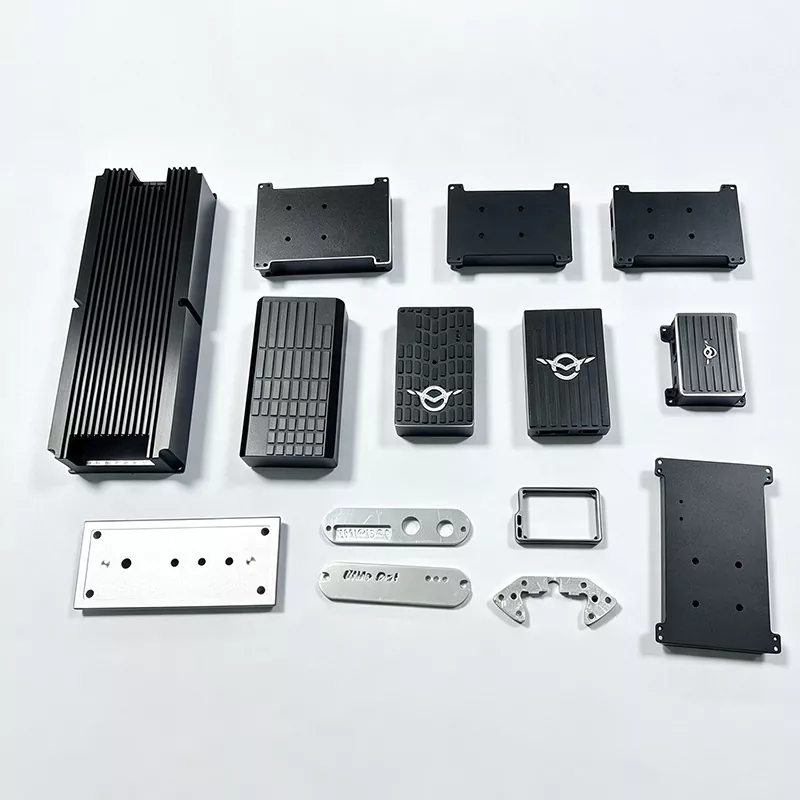
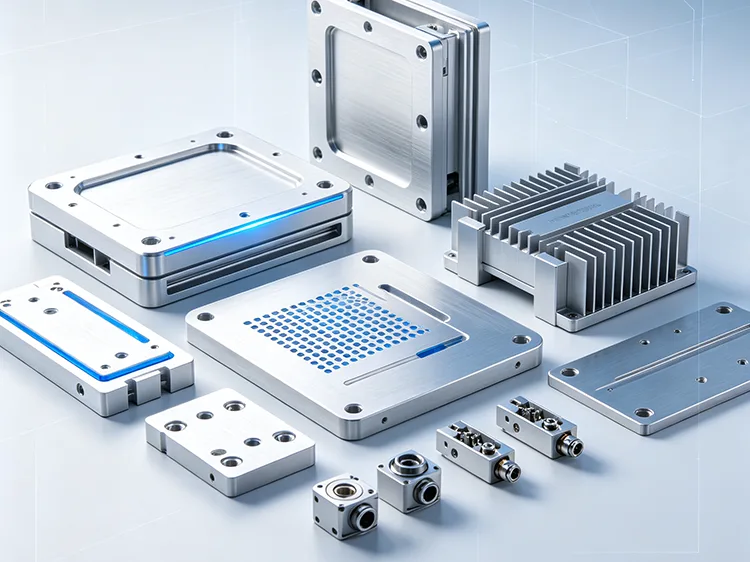
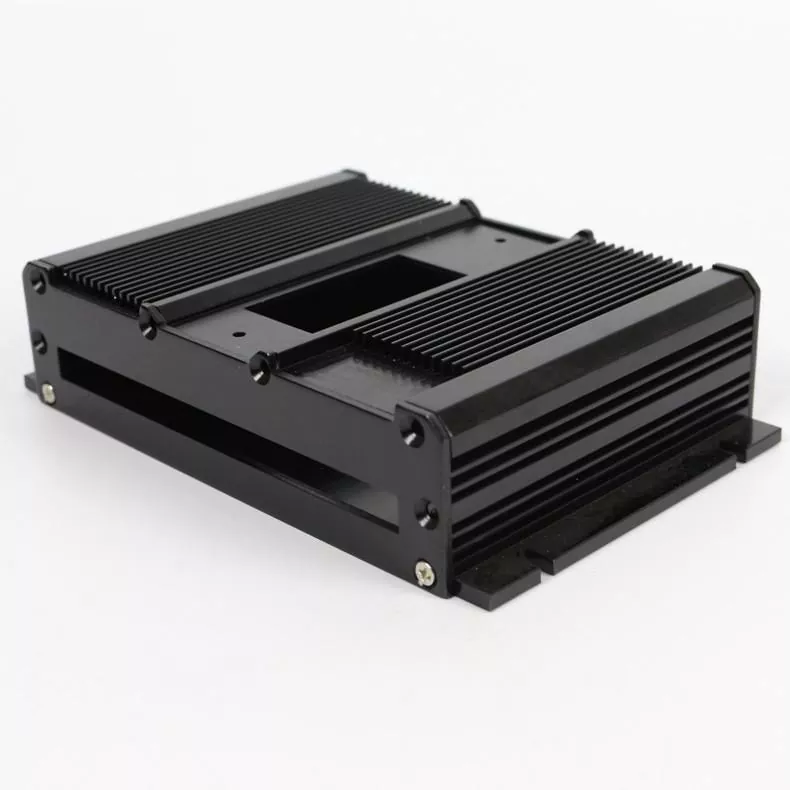
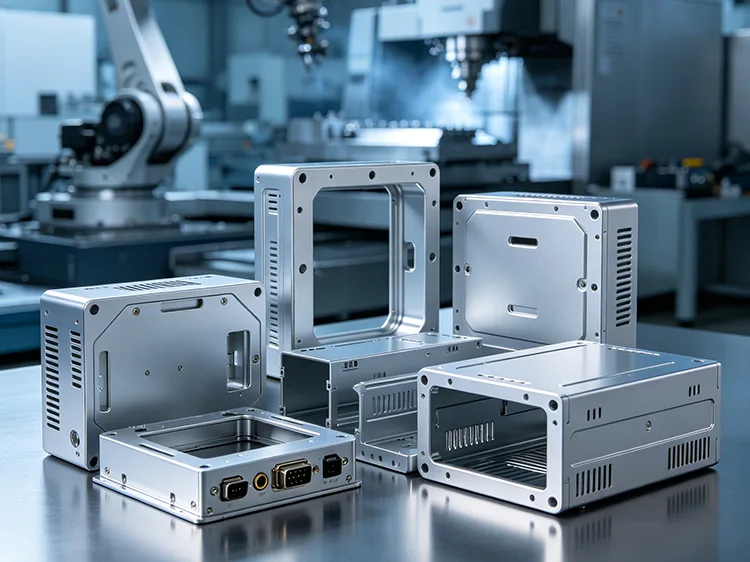
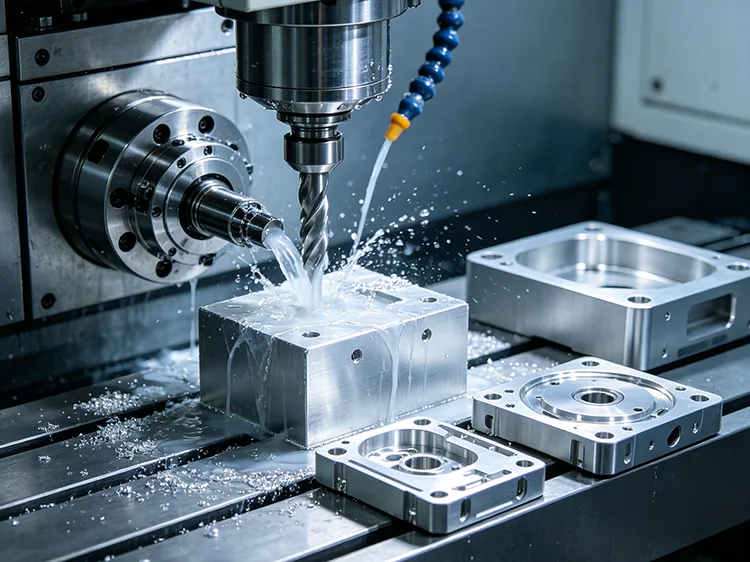
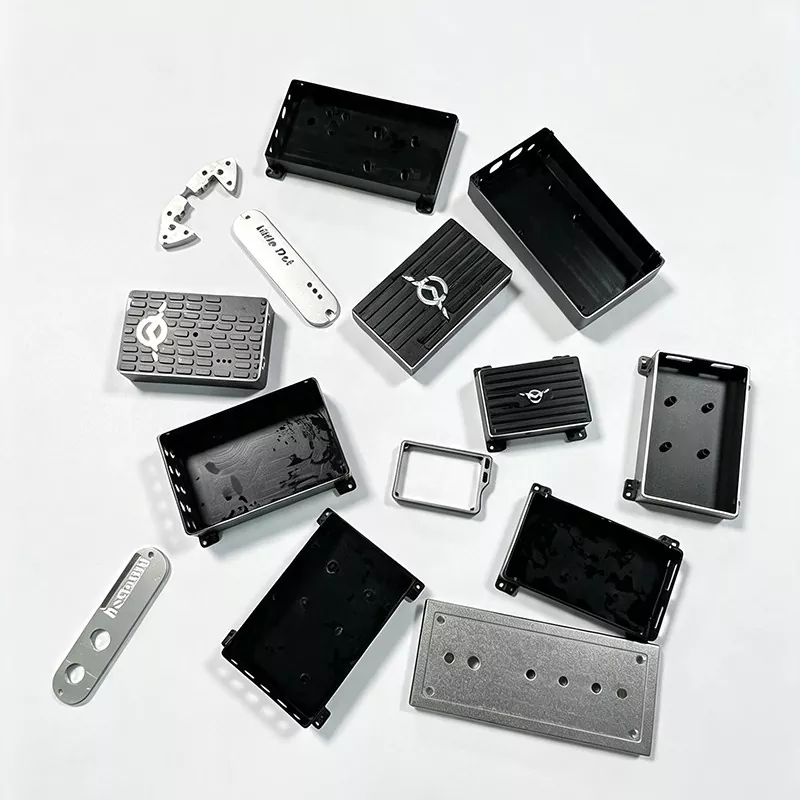
As electronic equipment and industrial machinery continue to demand more compact, functional, and precisely engineered components, Boyuan provides customized manufacturing solutions for a CNC Machined Aluminum Housing with Grooves and Cutouts. Designed according to customer drawings and structural requirements, these aluminum components integrate grooves, recessed areas, stepped surfaces, mounting holes, and customized cutouts to meet specific assembly and application needs.
A CNC Machined Aluminum Housing with Grooves and Cutouts offers manufacturers greater flexibility when developing structural components for electronic equipment, industrial machinery, and mechanical assemblies. Through 3-axis CNC milling, manufacturers can produce customized profiles and accessible machined features according to engineering drawings. This article explores the main machining features, material considerations, design requirements, manufacturing processes, quality considerations, and industrial applications. It also explains how selecting an experienced CNC machining partner can help optimize manufacturability, assembly compatibility, and production efficiency.
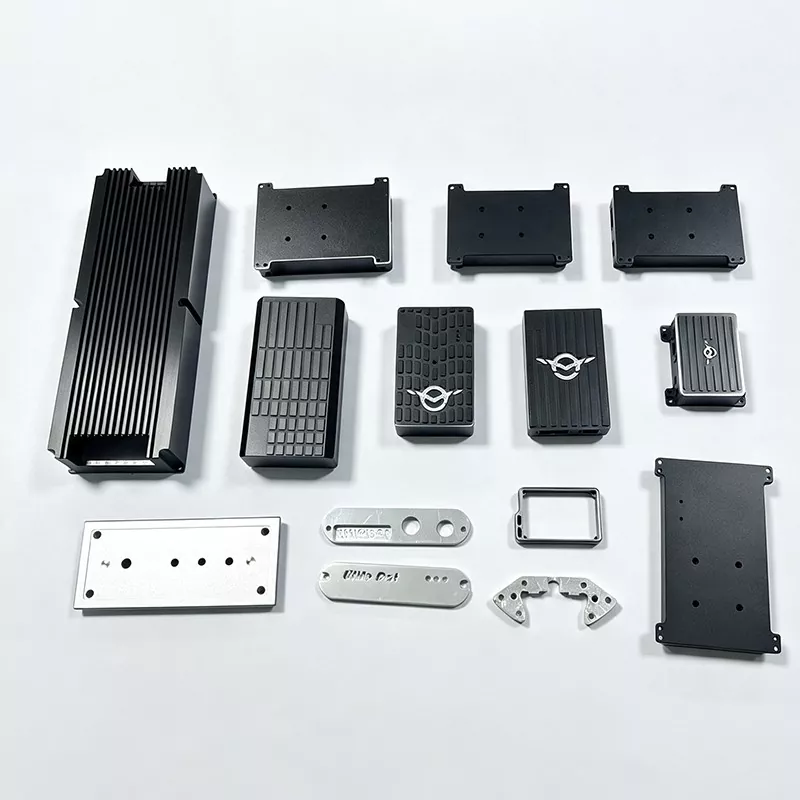
Table of Contents
- What Is a CNC Machined Aluminum Housing with Grooves and Cutouts?
- Key Machining Features and Their Functions
- Why Choose Customized CNC Machined Aluminum Housings?
- Material and Surface Finish Considerations
- How Does the CNC Machining Process Work?
- Common Industrial Applications
- How to Select the Right Manufacturing Partner
- Frequently Asked Questions
- Conclusion: Develop Better Aluminum Components with Boyuan
1. What Is a CNC Machined Aluminum Housing with Grooves and Cutouts?
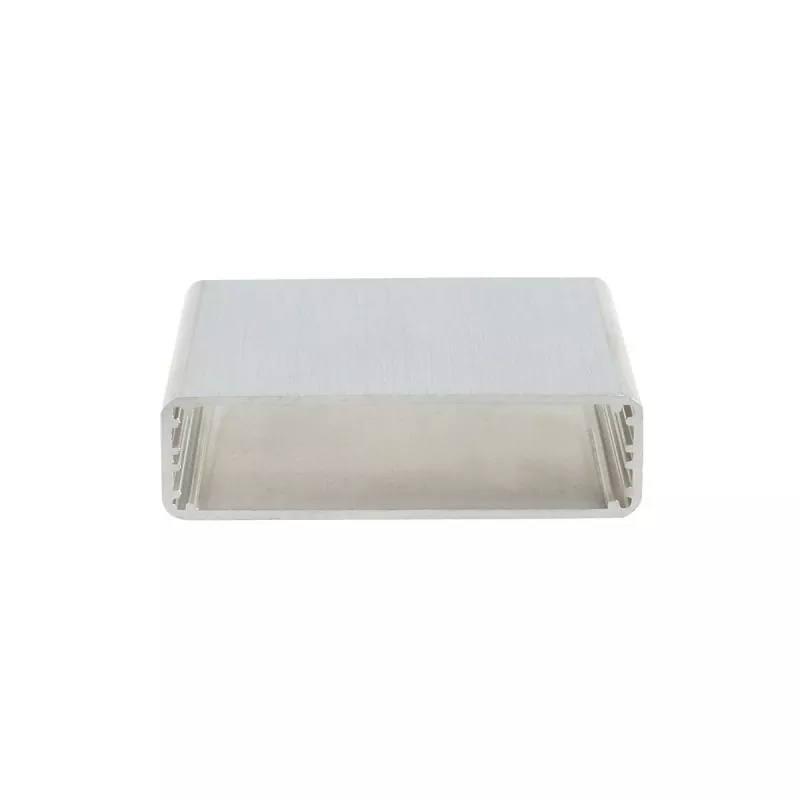
A CNC Machined Aluminum Housing with Grooves and Cutouts is a precision-manufactured aluminum component featuring specially designed surface structures and openings. Unlike conventional aluminum parts with simple rectangular profiles or flat surfaces, this type of housing incorporates multiple machined features to accommodate specific mechanical and structural requirements.
Using computer-controlled milling equipment, manufacturers can remove material from selected areas of an aluminum workpiece to create customized geometries. Depending on the approved engineering drawing and machining accessibility, these features may include:
- Precision grooves and slots for locating or fitting other components.
- Recessed areas for accommodating internal parts or creating designated spaces.
- Stepped surfaces with different heights and machining levels.
- Customized holes and cutouts for mounting and assembly.
- Special external profiles designed for integration into larger structures.
These components can function as individual structural parts or become integrated elements within electronic and industrial equipment assemblies. Their dimensions, feature positions, and structural configurations are determined by customer drawings.
2. Key Machining Features and Their Functions
The functional value of a custom aluminum housing often depends on how effectively its individual machined features work together. Each groove, recess, and opening should serve a clearly defined engineering purpose.
Grooves and Slots
Grooves and slots provide designated locations for fitting, positioning, or accommodating other components. Their width, depth, length, and position must be considered during the design stage to ensure compatibility with mating parts.
Recessed Areas
Recessed areas create additional space within the component geometry. They can accommodate designated equipment parts, provide clearance, or achieve specific structural requirements without unnecessarily increasing the overall component dimensions.
Stepped Surfaces
Stepped surfaces feature different machining heights across one component. They are useful when an assembly requires multiple mounting levels, specific positioning relationships, or customized structural transitions.
Customized Holes and Cutouts
Machined holes and cutouts support installation, fastening, and component integration. Hole diameter, thread specifications, spacing, and positional requirements should be clearly identified in the technical drawing.
Combining these features allows engineers to develop aluminum components that correspond more closely to the requirements of their final products.
3. Why Choose Customized CNC Machined Aluminum Housings?
Customization is particularly important when standard aluminum enclosures cannot satisfy specific equipment configurations or assembly requirements. CNC machining offers flexibility in producing components with different profiles and accessible geometric details.
Key advantages include:
- Drawing-based customization: Components can be manufactured according to customer-provided drawings and dimensional references.
- Flexible geometric configurations: Grooves, recessed areas, holes, and stepped surfaces can be incorporated into a single component design when machining access permits.
- Assembly compatibility: Clearly specified mounting and locating features help components fit their intended mechanical structures.
- Material efficiency: Machining can remove material from selected areas to achieve the required geometry without unnecessary structural additions.
- Design flexibility: Different outlines, dimensions, and feature arrangements can be evaluated for individual projects.
For manufacturers developing specialized equipment, these advantages help bridge the gap between engineering concepts and practical production requirements.
4. Material and Surface Finish Considerations
Material selection is an important part of developing a reliable CNC Machined Aluminum Housing with Grooves and Cutouts. The appropriate aluminum alloy should be determined according to mechanical requirements, operating conditions, machining characteristics, and the intended application.
Before production, buyers should confirm the following specifications:
| Specification | Key Considerations | Engineering Purpose |
|---|---|---|
| Aluminum Alloy | Grade and material properties | Determine suitability for the application |
| Part Geometry | External outlines and profiles | Match the overall assembly design |
| Grooves and Slots | Width, depth, length, and position | Support locating and component fitting |
| Recessed Areas | Dimensions and machining depth | Provide designated internal space |
| Holes and Cutouts | Diameter, position, and thread type | Meet mounting and connection requirements |
| Stepped Surfaces | Height differences and accessibility | Achieve the specified structural geometry |
| Surface Finish | Required appearance and treatment | Match application and finishing expectations |
Surface finishing should also be considered early in the design process. Depending on the application, buyers may specify an appropriate finish to address appearance, corrosion resistance, or other functional requirements. The final treatment should be confirmed with the manufacturer before production.
5. How Does the CNC Machining Process Work?
Manufacturing a customized aluminum housing involves several technical stages. A structured workflow helps identify design limitations before machining begins and reduces the possibility of avoidable production issues.
Step 1: Drawing and Requirement Review
The manufacturer reviews the customer's engineering drawings, dimensional requirements, material specifications, and intended application. Particular attention should be given to grooves, recesses, mounting holes, and critical mating surfaces.
Step 2: Machining Feasibility Assessment
For 3-axis CNC machining, engineers evaluate tool accessibility, workpiece orientation, clamping arrangements, and the number of required setups. Features that cannot be accessed from the planned machining orientations may require design adjustments or additional setups.
Step 3: CNC Milling and Feature Production
Once the manufacturing approach is confirmed, the aluminum workpiece is machined according to the approved design. Milling operations create the required external profiles, grooves, recessed sections, stepped surfaces, and accessible cutouts.
Step 4: Dimensional Inspection
Critical dimensions and feature positions should be checked against the approved drawing. Inspection priorities should reflect the component's functional requirements, particularly where mating surfaces and mounting features are involved.
Step 5: Finishing and Delivery
After machining and inspection, the component proceeds through the agreed finishing and delivery arrangements. The final product should correspond to the confirmed technical specifications and customer requirements.
This systematic approach supports better communication between engineering teams, purchasing departments, and CNC manufacturing suppliers.
6. Common Industrial Applications
A CNC Machined Aluminum Housing with Grooves and Cutouts can serve various industries where customized structural components and accurately positioned features are required.
- Electronic Equipment: Custom housings and structural components designed to accommodate electronic assemblies.
- Industrial Equipment: Machined structural parts used in specialized machinery and equipment configurations.
- Mechanical Assemblies: Components with customized grooves, mounting holes, and stepped surfaces for integration with other mechanical parts.
- Mounting and Locating Systems: Precision-designed aluminum components that help position and support associated parts.
- Customized Equipment Structures: Special aluminum profiles developed for equipment manufacturers with specific engineering requirements.
For each application, the component design should be evaluated according to its actual operating environment, loading conditions, assembly requirements, and dimensional tolerances.
7. How to Select the Right Manufacturing Partner
Choosing a suitable CNC machining supplier is just as important as selecting the right material and component design. A capable manufacturing partner should understand both the engineering requirements and the practical limitations of the machining process.
When comparing suppliers, consider these important factors:
- Technical drawing evaluation: Can the supplier review detailed drawings and identify potential manufacturing difficulties?
- Machining capabilities: Does the available equipment support the required grooves, holes, cutouts, and stepped geometries?
- Engineering communication: Can the manufacturer discuss tool accessibility, workpiece positioning, and design modifications?
- Dimensional requirements: Are critical tolerances and inspection requirements clearly understood before production?
- Customization flexibility: Can the supplier manufacture components according to individual project specifications?
- Quotation transparency: Are material, machining complexity, finishing requirements, and delivery expectations clearly addressed?
Boyuan Hardware manufactures customized CNC Machined Aluminum Housing with Grooves and Cutouts according to customer drawings and specified structural requirements. Its 3-axis CNC milling capabilities support a range of accessible machined features, with manufacturing feasibility evaluated according to part geometry, tool accessibility, and workpiece setup.
Customers can also explore related solutions, including CNC Machined Aluminum Components, CNC Machined Aluminum Panels, and CNC Machined Aluminum Base Plates and Covers.
8. Frequently Asked Questions
Q1: Can a CNC Machined Aluminum Housing with Grooves and Cutouts be customized according to customer drawings?
Yes. Boyuan Hardware accepts custom designs based on customer drawings and dimensional references. The manufacturing team evaluates the geometry, machining accessibility, and structural requirements before confirming production feasibility.
Q2: Can 3-axis CNC machining produce grooves and recessed features?
Yes. A 3-axis CNC milling process can produce many types of grooves, slots, and recessed areas, provided the features are accessible to the cutting tools under the selected workpiece setup. More complex geometries may require additional setups or design adjustments.
Q3: What information should buyers provide when requesting a quotation?
Buyers should ideally provide a complete engineering drawing, aluminum alloy requirements, critical dimensions, tolerances, groove and cutout specifications, surface finish expectations, and estimated order quantity. This information helps the manufacturer evaluate the project more accurately.
Q4: Can aluminum housings have different surface heights and stepped structures?
Yes. Different surface heights and stepped structures can be machined when the geometry is accessible to the selected machining process. Their dimensions and machining requirements should be confirmed during drawing review.
Q5: What factors influence the manufacturing cost of custom aluminum housings?
Manufacturing costs depend on material selection, overall dimensions, machining complexity, groove and recess specifications, hole configurations, required setups, tolerances, surface finishing, and order quantity. Providing detailed drawings allows suppliers to prepare a more relevant quotation.
Q6: Which industries commonly use these customized aluminum components?
Common applications include electronic equipment, industrial machinery, mechanical assemblies, customized mounting systems, and equipment structures. The final application depends on the component's material, dimensions, structural design, and functional requirements.
9. Conclusion: Develop Better Aluminum Components with Boyuan
A well-designed CNC Machined Aluminum Housing with Grooves and Cutouts can provide the customized geometry required for modern electronic equipment, industrial structures, and mechanical assemblies. From precisely positioned grooves and recessed areas to stepped surfaces and customized mounting holes, every feature should be developed with manufacturability and assembly compatibility in mind.
Working with an experienced CNC machining manufacturer helps ensure that engineering drawings are carefully evaluated before production. Boyuan Hardware offers drawing-based customization and 3-axis CNC milling solutions for customers seeking aluminum components with specialized structural features. Whether you need a customized housing, mounting component, or precision-machined aluminum structure, share your technical drawings and project requirements with our team. Contact us today to discuss your CNC machining project, evaluate manufacturing feasibility, and request a customized quotation for your next aluminum component.
Related News
- How Can a CNC Machined Aluminum Component Improve Precision, Performance, and Manufacturing Efficiency
- How Can a CNC Machined Aluminum Housing with Grooves and Cutouts Improve Precision, Fit, and Product Performance
- Boyuan Hardware Strengthens Market Position with Robust Aluminum Chassis Manufacturing Solutions
- Boyuan Hardware Delivers High-Quality CNC Machined Parts with Unmatched Customization and Speed
- Boyuan Hardware Invests in Advanced CNC Machining Capabilities to Deliver Precision at Scale
- Boyuan Hardware Expands Premium Aluminum Enclosure Solutions for Global Industrial Applications
Leave me a message
New Products
News Recommendations