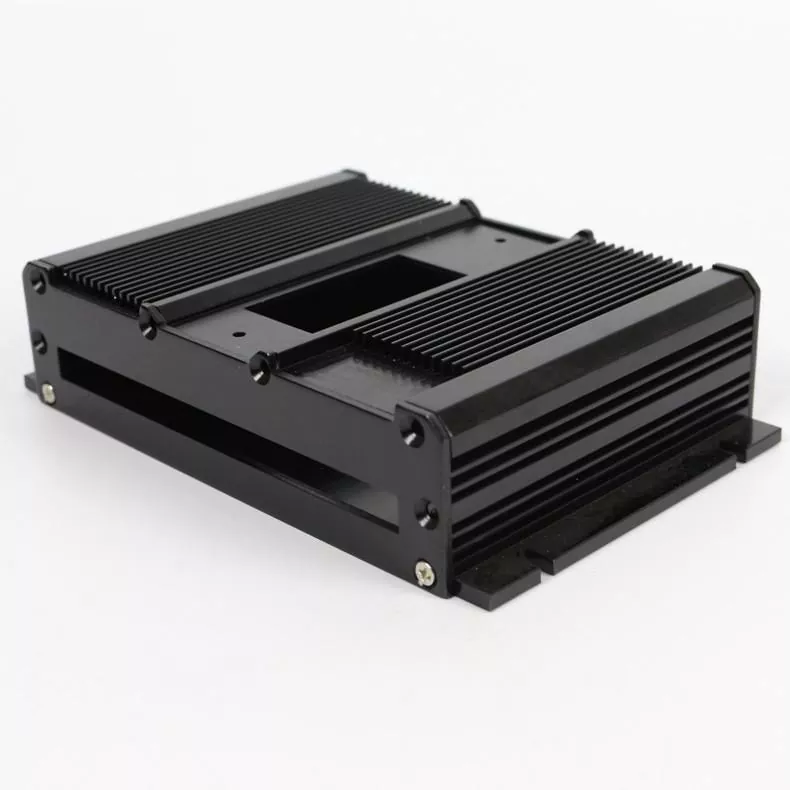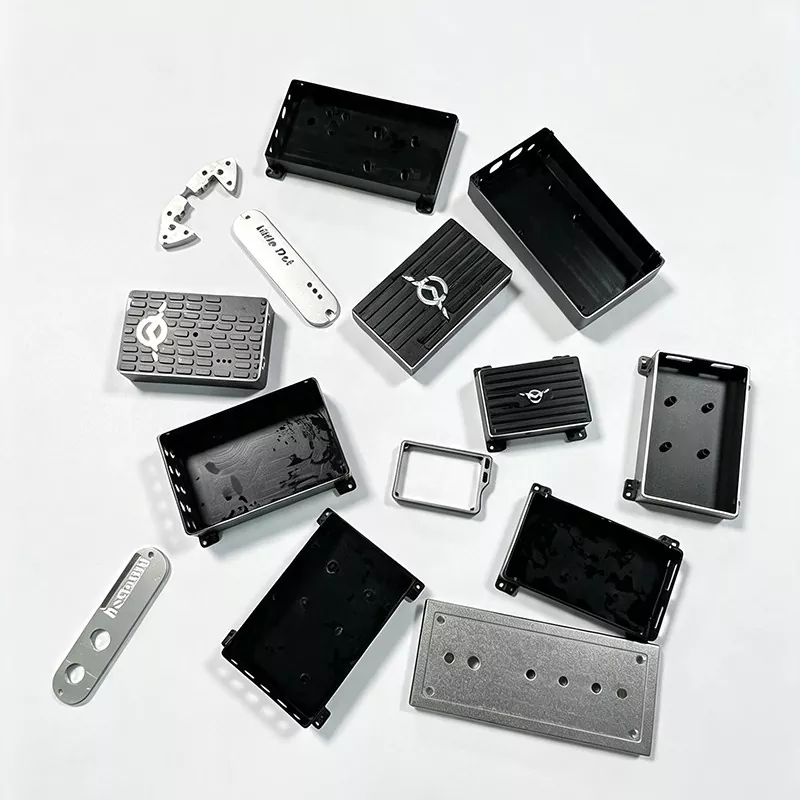

How Can a CNC Machined Aluminum Component Improve Precision, Performance, and Manufacturing Efficiency
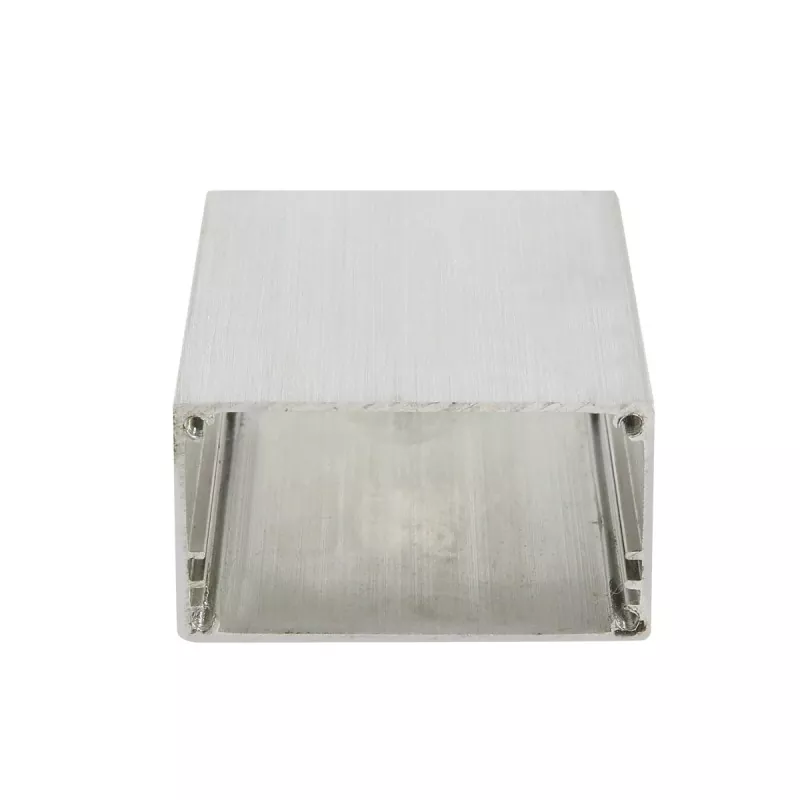
In modern industrial manufacturing, component accuracy, structural reliability, and design flexibility are essential to achieving consistent product performance. A high-quality CNC Machined Aluminum Component provides an effective solution for applications requiring customized dimensions, complex machining features, and lightweight metal structures. Boyuan specializes in custom aluminum machining solutions, helping customers transform engineering drawings and design concepts into practical components for electronic equipment, industrial automation, instrumentation, and mechanical assemblies. Understanding the machining process, material considerations, and customization options can help buyers select the right components for their projects.
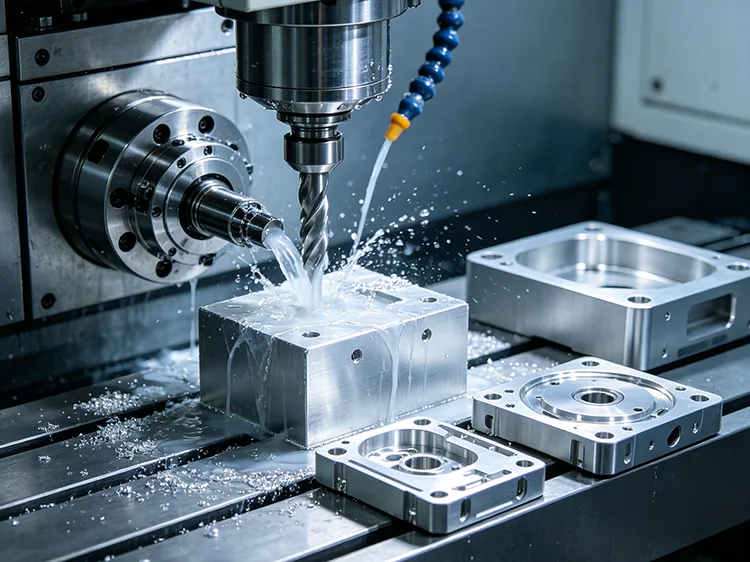
A CNC machined aluminum component is manufactured by removing material from an aluminum workpiece through computer-controlled machining operations. This process enables manufacturers to produce customized shapes, holes, slots, grooves, threaded features, and other precise geometries according to customer specifications. This article explores the main advantages of CNC aluminum machining, customization possibilities, material selection, manufacturing procedures, quality considerations, and industrial applications. It also explains how to evaluate a reliable manufacturing partner for customized aluminum components.
Table of Contents
- 1. What Is a CNC Machined Aluminum Component?
- 2. What Are the Key Advantages of CNC Aluminum Machining?
- 3. Which Customization Options Are Available?
- 4. How Are Custom Aluminum Components Manufactured?
- 5. How Should You Choose the Right Aluminum Material?
- 6. Where Are CNC Machined Aluminum Components Used?
- 7. What Quality Factors Should Buyers Consider?
- 8. How Do You Choose a Reliable CNC Machining Supplier?
- 9. Frequently Asked Questions
- 10. Conclusion
1. What Is a CNC Machined Aluminum Component?
A CNC machined aluminum component is a precision-manufactured part produced using computer numerical control (CNC) equipment. Based on digital design instructions, cutting tools remove material from an aluminum workpiece until the required geometry and dimensions are achieved.
Unlike standard off-the-shelf parts, custom CNC components are designed around specific equipment structures, installation requirements, and functional needs. Depending on the engineering drawing, they may include:
- Mounting brackets and structural supports.
- Machined aluminum blocks and connecting pieces.
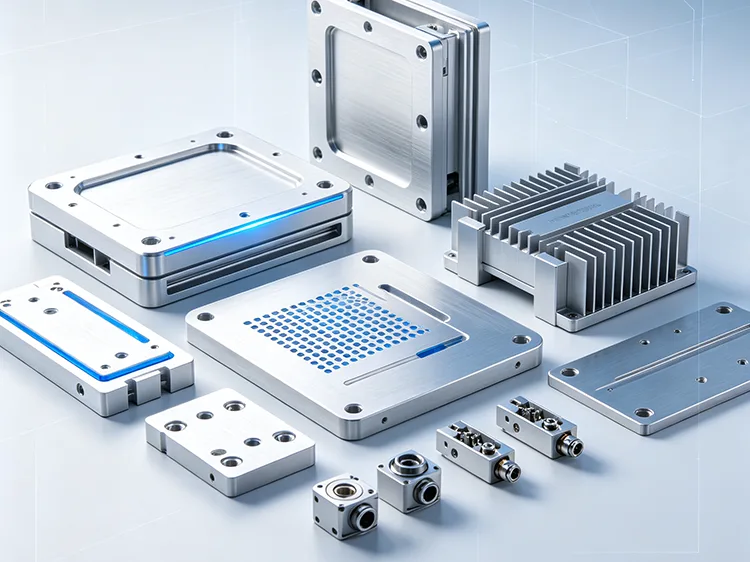
- Precision plates, covers, and equipment panels.
- Components with threaded holes, slots, and grooves.
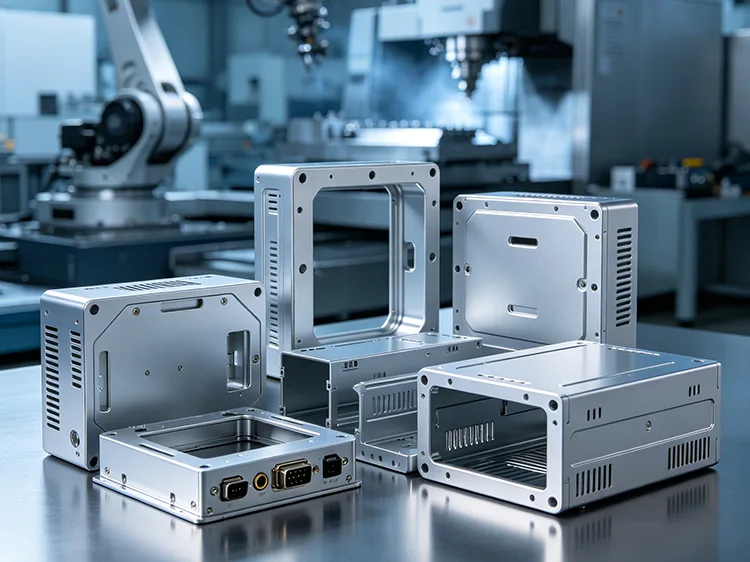
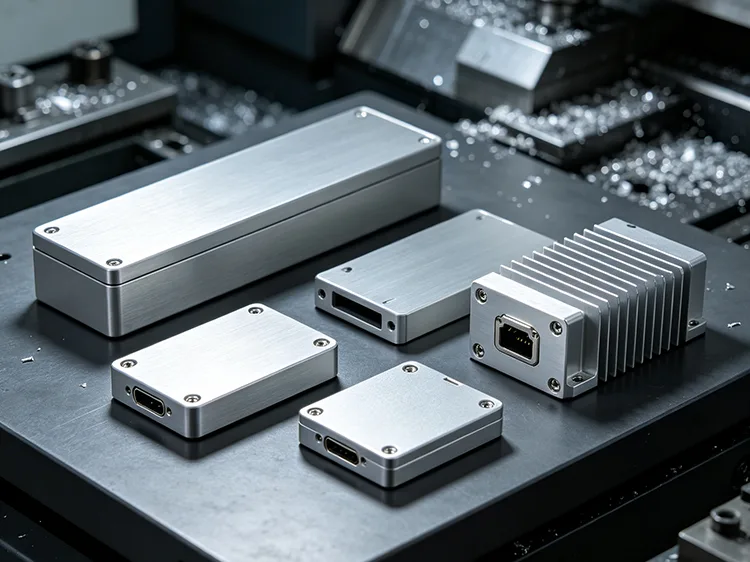
- Custom housings and mechanical interface parts.
Manufacturers such as Boyuan Hardware review customer-supplied 2D drawings, 3D CAD files, and dimensioned sketches to determine the appropriate manufacturing approach. This drawing-based process helps ensure that the finished part corresponds to the intended design.
2. What Are the Key Advantages of CNC Aluminum Machining?
Aluminum is widely used in precision manufacturing because of its relatively low weight, good machinability, and useful mechanical properties. Combining aluminum with CNC machining provides several practical benefits.
Lightweight Structural Performance
Aluminum components can help reduce equipment weight without unnecessarily increasing structural complexity. This is particularly useful in electronic devices, automation systems, and industrial equipment where weight management matters.
Flexible Geometric Design
CNC milling supports various machining features, including holes, slots, recesses, grooves, and stepped surfaces. These features allow designers to integrate multiple functional requirements into one customized component.
Consistent Drawing-Based Manufacturing
Computer-controlled machining follows established digital instructions, supporting repeatable production when the machining setup, tooling, and inspection requirements are properly controlled.
Application-Specific Customization
Instead of modifying equipment around standard parts, engineers can specify component dimensions and structural details according to actual assembly requirements.
3. Which Customization Options Are Available?
Every industrial project has different structural and dimensional requirements. A professional CNC machining supplier should evaluate the drawing and confirm the manufacturing details before production.
The following table summarizes common customization options for a CNC Machined Aluminum Component:
| Customization Item | Available Specifications | Manufacturing Considerations |
|---|---|---|
| Component Shape | Custom blocks, plates, covers, and brackets | Based on supplied engineering drawings |
| Dimensions | Length, width, height, and thickness | Specified according to assembly requirements |
| Machining Features | Holes, slots, grooves, recesses, and steps | Depends on geometry and machining accessibility |
| Material | Project-specific aluminum alloy grades | Confirmed according to application requirements |
| Tolerances | Critical dimensional requirements | Reviewed and agreed before manufacturing |
| Surface Finish | Project-dependent finishing processes | Selected according to functional and appearance needs |
| Order Quantity | Prototype and production enquiries | Quoted according to project specifications |
When requesting a quotation, buyers should clearly identify critical dimensions, hole positions, thread specifications, surface requirements, and any special assembly tolerances. Complete technical information helps reduce misunderstandings during production.
4. How Are Custom Aluminum Components Manufactured?
Producing a customized aluminum part involves several coordinated stages. A structured workflow helps manufacturers evaluate feasibility, establish production requirements, and deliver components that meet agreed specifications.
Step 1: Submit Technical Drawings
Customers provide 2D engineering drawings, 3D CAD files, existing samples, or dimensioned sketches. These materials communicate the required geometry and functional details.
Step 2: Review Design and Machining Feasibility
The engineering team evaluates component dimensions, machining features, material selection, and critical tolerances. Potential manufacturing difficulties should be identified before production begins.
Step 3: Confirm Specifications and Quotation
Pricing and lead time are determined according to material, component geometry, machining operations, order quantity, and surface finishing requirements.
Step 4: CNC Machining and Manufacturing
After specifications are confirmed, the aluminum workpiece is processed using suitable CNC machining operations. Depending on the design, 3-axis CNC milling can produce holes, slots, grooves, recesses, and stepped surfaces.
Step 5: Inspection and Delivery Preparation
Critical dimensions and agreed inspection requirements should be checked against the approved drawing. The completed components are then prepared according to the confirmed delivery requirements.
5. How Should You Choose the Right Aluminum Material?
Material selection directly influences component performance, machinability, structural behavior, and manufacturing cost. Different aluminum alloy grades offer different combinations of mechanical and physical properties.
When selecting material for a CNC Machined Aluminum Component, buyers should evaluate the following factors:
- Mechanical requirements: Consider the expected loads, structural strength, and operating conditions.
- Weight limitations: Evaluate whether component weight affects equipment design or installation.
- Machinability: Select a suitable alloy based on the complexity of the geometry and required machining operations.
- Environmental conditions: Consider exposure to moisture, chemicals, temperature changes, and other environmental factors.
- Surface requirements: Determine whether additional finishing is necessary for appearance, corrosion resistance, or functional performance.
There is no single aluminum alloy suitable for every project. The final grade should be confirmed through engineering evaluation and communication between the customer and manufacturer.
6. Where Are CNC Machined Aluminum Components Used?
Because of their design flexibility and useful material characteristics, customized aluminum parts are suitable for various industrial sectors.
Industrial Automation
Mounting blocks, connecting parts, and mechanical supports are commonly required in automated production equipment and machinery assemblies.
Electronic and Communication Equipment
Custom aluminum plates, covers, and structural components can support electronic assemblies where installation dimensions and component interfaces must be carefully coordinated.
Power Electronics
Machined aluminum parts can be incorporated into equipment structures, mounting systems, and supporting assemblies for power-related electronic devices.
Instrumentation and Measurement
Precision-machined components help accommodate specific installation geometries and mechanical interfaces in instrumentation systems.
Mechanical Assemblies
Customized blocks, brackets, and connecting components provide structural and positioning functions in different mechanical systems.
7. What Quality Factors Should Buyers Consider?
Quality evaluation should begin before machining rather than relying exclusively on final product inspection. Clear technical communication helps establish measurable acceptance criteria.
Important quality considerations include:
- Drawing accuracy: Confirm that the latest approved drawing is used for manufacturing.
- Dimensional inspection: Identify critical dimensions and specify the required inspection method.
- Machining consistency: Evaluate whether the manufacturing process can maintain the agreed specifications.
- Surface quality: Define acceptable surface conditions and finishing requirements.
- Material verification: Confirm the aluminum alloy grade before production.
- Specification traceability: Maintain clear records of approved drawings and production requirements.
For customized orders, buyers should agree on inspection points, acceptable tolerances, and quality documentation during the quotation and drawing-confirmation stages. These steps help establish a clear manufacturing standard.
8. How Do You Choose a Reliable CNC Machining Supplier?
Choosing the right manufacturing partner is important for controlling production risks and achieving consistent component quality. Buyers should evaluate more than the initial quotation.
Consider these practical selection criteria:
- Drawing review capability: The supplier should understand 2D and 3D technical drawings and evaluate manufacturing feasibility.
- Machining capabilities: Confirm whether the available CNC processes can accommodate the required component geometry.
- Customization experience: Look for experience with non-standard aluminum parts and application-specific designs.
- Technical communication: A reliable supplier should clarify material grades, tolerances, machining details, and finishing requirements.
- Quotation transparency: Pricing should reflect material, machining complexity, quantity, and finishing requirements.
- Quality management: Confirm how critical dimensions and agreed specifications are inspected.
Boyuan Hardware provides custom CNC machined aluminum components based on customer drawings and project specifications. Its product range includes customized mounting parts, connecting pieces, blocks, plates, covers, and other components for electronic and industrial equipment.
Customers can also explore related solutions, including CNC Machined Aluminum Panels, Aluminum Base Plates and Covers, and CNC Machined Aluminum Housings.
9. Frequently Asked Questions
Q1: What information is required to order a custom CNC machined aluminum component?
Customers should ideally provide a 2D engineering drawing, 3D CAD file, or dimensioned sketch. Material requirements, critical tolerances, surface finish, quantity, and application details are also helpful for evaluating manufacturing feasibility.
Q2: Can CNC machining produce non-standard aluminum components?
Yes. CNC machining is suitable for customized parts with application-specific dimensions and geometries. Manufacturers review the supplied drawings to determine whether the required features can be produced using their available machining processes.
Q3: What machining features can be produced?
Depending on the design and machining capabilities, common features include holes, slots, threaded features, grooves, recesses, and stepped surfaces. Three-axis CNC milling is one suitable process for many such geometries.
Q4: How is the price of a custom aluminum component calculated?
Pricing generally depends on aluminum alloy selection, component dimensions, geometric complexity, machining time, surface finishing, and order quantity. Detailed drawings help suppliers prepare more accurate quotations.
Q5: Can critical dimensions be inspected before delivery?
Yes. Critical dimensions and inspection requirements should be identified during the quotation and drawing-confirmation stages. Buyers and manufacturers can then agree on the appropriate inspection criteria before production.
Q6: Are CNC machined aluminum components suitable for prototypes and mass production?
They can be considered for both prototype projects and production orders. The appropriate manufacturing plan depends on component geometry, quantity, machining requirements, and the customer's delivery expectations.
10. Conclusion
A CNC Machined Aluminum Component offers manufacturers and equipment designers a flexible solution for producing customized metal parts with specific dimensions, machining features, and functional requirements. From industrial automation and electronic devices to instrumentation and mechanical assemblies, the right machining strategy can help improve component integration and manufacturing consistency. Successful projects depend on accurate drawings, appropriate material selection, clearly defined tolerances, and effective quality control. If you are looking for a dependable partner for customized aluminum machining, Boyuan Hardware is ready to review your technical requirements and explore suitable manufacturing solutions. Visit our CNC Machined Aluminum Component product page and contact us today with your drawings, material specifications, required quantities, and project details to discuss your custom manufacturing needs and request a quotation.
Related News
- How Can a CNC Machined Aluminum Housing with Grooves and Cutouts Improve Precision, Fit, and Product Performance
- Boyuan Hardware Strengthens Market Position with Robust Aluminum Chassis Manufacturing Solutions
- Boyuan Hardware Delivers High-Quality CNC Machined Parts with Unmatched Customization and Speed
- Boyuan Hardware Invests in Advanced CNC Machining Capabilities to Deliver Precision at Scale
- Boyuan Hardware Expands Premium Aluminum Enclosure Solutions for Global Industrial Applications
Leave me a message
New Products
News Recommendations